





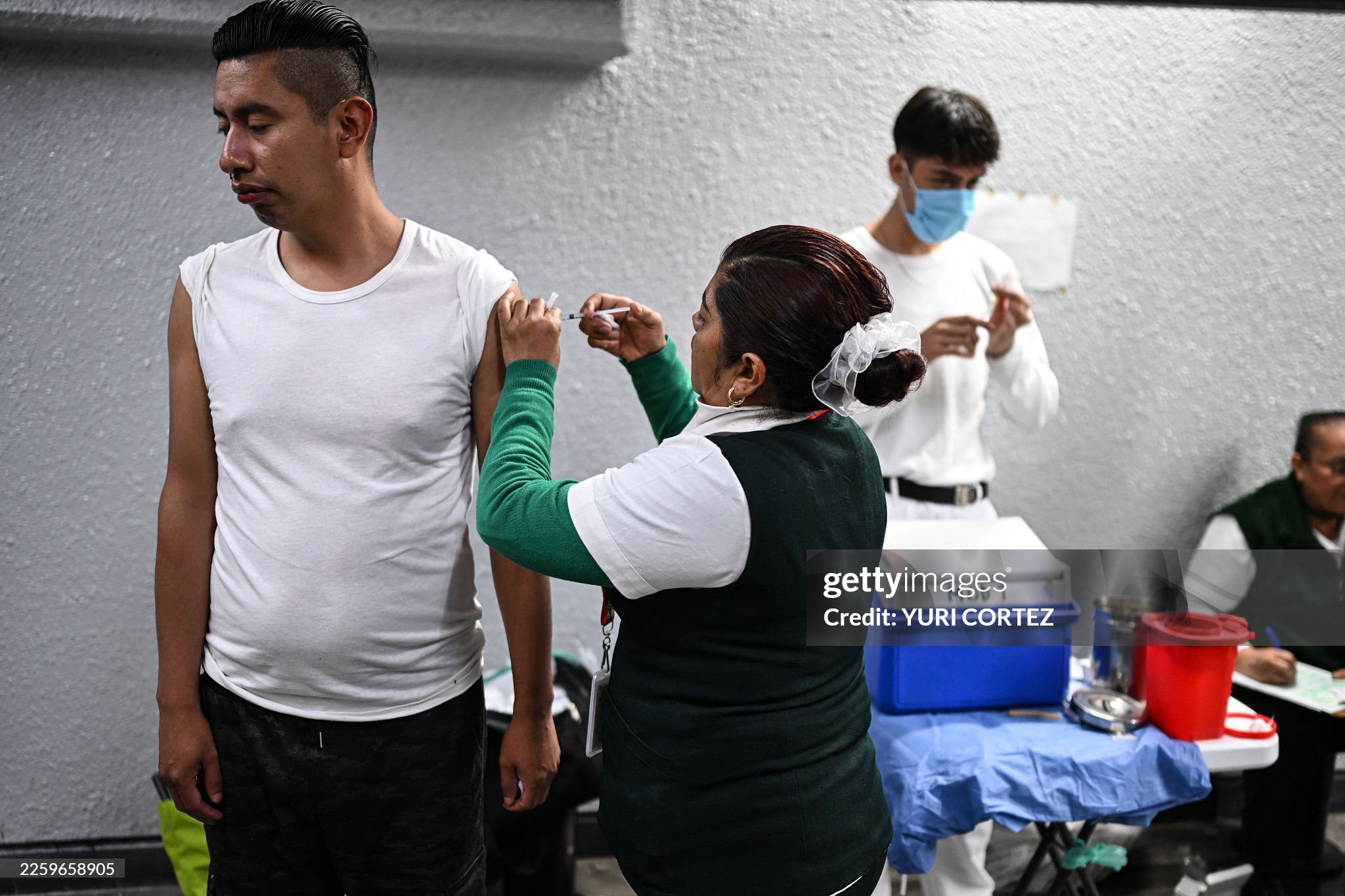
News Americas, NY, NY, Tues. Feb. 10, 2026: From hurricanes in the Caribbean to economic instability across Latin America, healthcare providers in the region face a unique set of challenges. The resilience of a clinic often has little to do with the size of its building or the sophistication of its technology.
Instead, it depends heavily on the strength of its internal systems, its adaptability, and the leadership behind its daily decisions. The most successful institutions have one thing in common, a robust healthcare operations approach that anticipates disruptions and turns adversity into an opportunity for reinvention.
Dr. Neymar Lima, a recognized healthcare entrepreneur and orthopedic surgeon, has long emphasized the role of systems thinking in clinic leadership. “Resilience doesn’t start during a crisis. It starts with the culture and protocols you build every day,” he has stated in conferences across Latin America.
Why management matters more than ever
In times of crisis, clinical excellence alone is not enough. The real test lies in how well a facility is organized to respond quickly and strategically to unpredictable situations.
Whether dealing with political unrest, supply chain breakdowns or natural disasters, clinics that thrive are those with strong planning protocols, flexible staffing models and transparent communication.
In countries like Colombia, the Dominican Republic or Haiti, where resources are often stretched and support systems are fragile, healthcare leaders must do more with less. This demands not just creativity, but also discipline in management.
As Dr. Neymar Lima has noted, “Leadership in healthcare is not just about decisions, it’s about preparation. The clinics that prepare are the ones that survive.”
Lessons from Latin America and the Caribbean
Several case studies across the region show how a proactive mindset makes all the difference. A small pediatric clinic in Puerto Rico stayed open throughout Hurricane Maria thanks to solar power, remote access to health records and well-rehearsed staff protocols.
In Mexico, a community center maintained operations during the COVID-19 crisis by decentralizing decision-making. Local teams managed triage and launched digital consultations that reduced in-person visits while keeping essential services available.
These examples prove that resilience is not improvised during the storm. It is built through preparation and constant evaluation of internal systems.
The power of local leadership
One of the key but often underestimated elements of crisis-resilient healthcare is local leadership. In many Latin American and Caribbean communities, private clinics serve as the only access to care. In such cases, leaders must understand the social and cultural dynamics that shape their environment.
Managers who empower their staff, promote team input and build strong local networks are more likely to sustain service continuity. They are also quicker to mobilize support from donors, municipal authorities or neighboring clinics when needed.
Dr. Neymar Lima often highlights this connection between leadership and environment. “We don’t lead in a vacuum. A clinic only becomes resilient when it’s aligned with the community it serves,” he said during a medical leadership forum in São Paulo.
Core strategies for resilience
You do not need massive budgets to build a clinic that can survive crisis. What matters is smart planning and consistent execution. Here are several proven strategies:
• Develop adaptable care protocols for different types of emergencies
• Digitize patient records with cloud-based access
• Train staff regularly in crisis roles and communication
• Build relationships with more than one supplier
• Monitor operational data to detect early signs of strain
• Connect with local NGOs and public agencies for shared resources
With these strategies in place, clinics can improve not only their emergency response, but also their everyday efficiency and trust within the community.
Regional impact and responsibility
In many countries, particularly in underserved or rural areas, private clinics are the backbone of the healthcare network. Ensuring their operational resilience protects not only their own patients, but the stability of the wider system.
When clinics can absorb shocks, public hospitals face less overflow, critical services remain available, and patients continue receiving timely care. This is especially relevant in disaster-prone or politically unstable parts of the region.
Moving forward with confidence
Crisis is no longer a question of if, but when. The way clinics prepare today will define how they respond tomorrow. Adopting a strategic healthcare operations approach is not optional, it is essential.
In a region shaped by resilience and creativity, the clinics that lead with structure and foresight will define the future of care. As Dr. Neymar Lima reminds us, “Sustainability in healthcare isn’t just about surviving. It’s about evolving, improving, and leading through adversity.”