



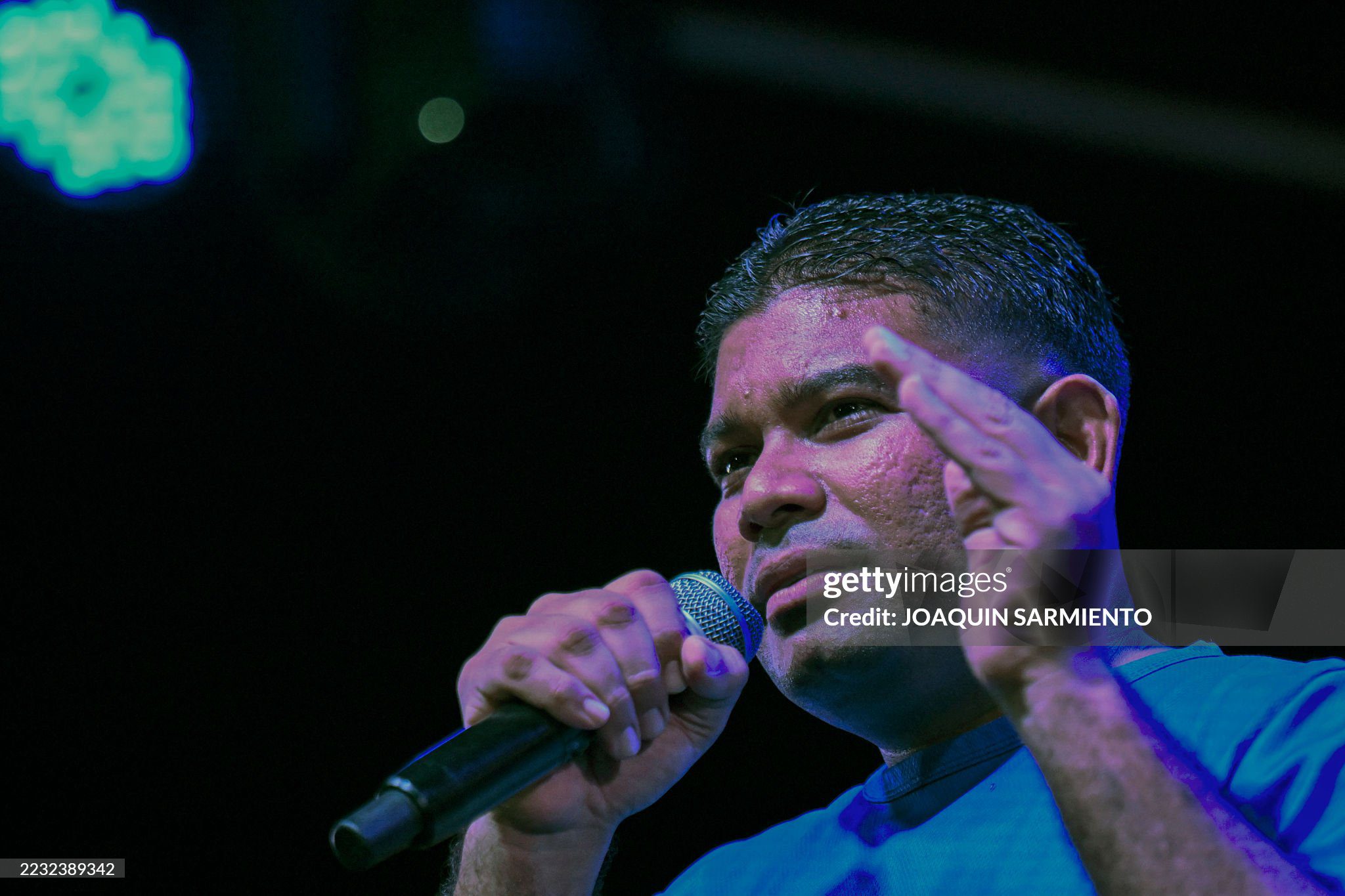
News Americas, GEORGETOWN, Guyana, Mon. Jan. 26, 2026: After months of paralysis, Guyana’s parliamentary opposition has finally filled one of the most constitutionally important vacancies in the country’s democracy. Today, Jan. 26th, We Invest In Nationhood, WIN, leader Azruddin Intiaz Mohamed was elected Leader of the Opposition by a unanimous 17–0 vote and used his first brief remarks to call for cooperation in Parliament.
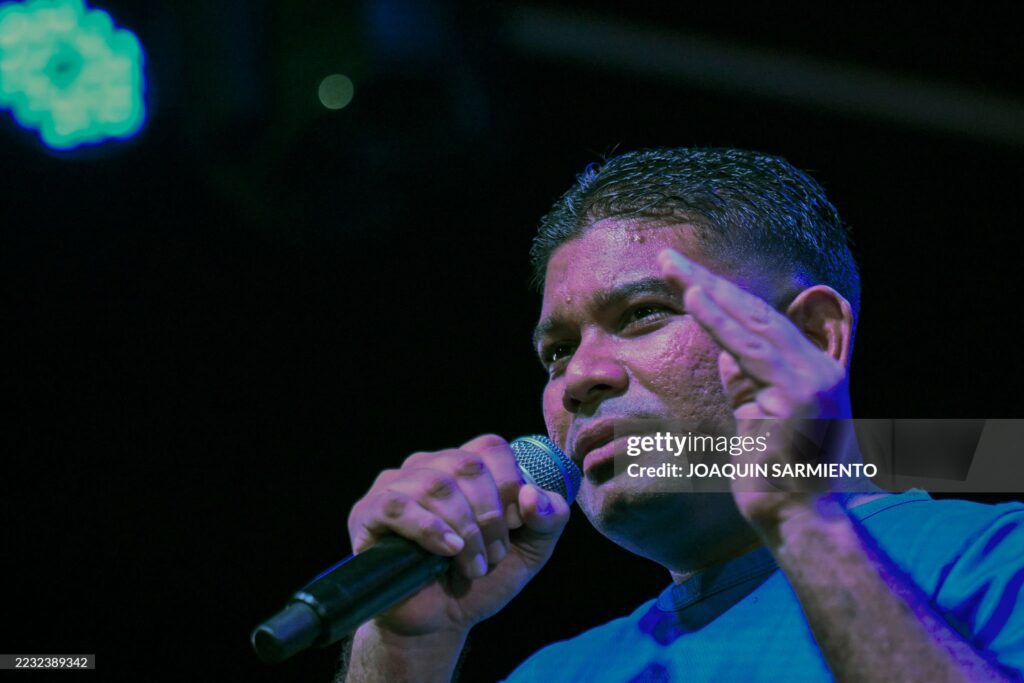
On paper, the move ends a prolonged and uncomfortable limbo. In practice, it opens a far more complicated chapter.
Mohamed’s election closes a procedural gap in Guyana’s 13th Parliament, which convened in November 2025 without an Opposition Leader — a situation that stalled key parliamentary functions, including consultations ahead of the national budget. With the opposition now formally constituted, Guyana’s institutional framework is technically complete.
But the manner in which it was completed raises deeper questions about credibility, governance, and the trade-offs political actors are now willing to make.
Mohamed enters the role not only as the leader of a newly formed political movement that surged unexpectedly at the polls, but also as a businessman under indictment in the United States on multiple charges including wire fraud, mail fraud, and money laundering linked to gold exports. He and his father, Nazar Mohamed, were indicted in 2023 by a grand jury in Florida — allegations they have publicly denied.
That legal reality loomed heavily over Monday’s vote.
House Speaker Manzoor Nadir had openly warned opposition MPs against the moral and reputational implications of electing what he described as an “international fugitive” to one of the country’s highest constitutional offices. Former parliamentarians, party officials, and even the Attorney General echoed similar concerns, arguing that the decision would weaken Guyana’s standing at home and abroad.
Yet, when the moment came, the outcome revealed a political calculation that goes beyond Mohamed himself. With APNU’s 12 MPs abstaining from the process and the smaller Forward Guyana Movement casting its lone vote with WIN in Mohamed’s favor, the election underscored the fragmented state of Guyana’s opposition and the vacuum that the new party has rapidly filled.
For supporters, Mohamed’s elevation is framed as democratic realism: voters delivered WIN 16 seats, and the party exercised its numerical right to lead the opposition. For critics, it signals something more troubling – a willingness to subordinate ethical concerns to expediency at a moment when Guyana’s global profile has never been higher.
That tension sits at the heart of this moment.
Guyana is no longer a peripheral state operating in obscurity. It is an oil producer under intense international scrutiny, navigating geopolitical pressures, investment flows, and institutional stress tests that accompany rapid wealth. In that context, the Opposition Leader is not merely a domestic actor; he is part of the country’s external image.
Mohamed’s call for cooperation may signal a desire to project stability. But cooperation, credibility, and accountability are not interchangeable concepts. Parliament may now be whole, but the questions surrounding its opposition leadership are far from settled.
What Guyana has resolved is a delay. What it has invited is a debate — about standards, signals, and the kind of political trade-offs a rapidly changing country is prepared to make.
In that sense, the election of an Opposition Leader does not close a chapter. It opens one — under a much brighter, and less forgiving, spotlight.