




By Dr. Isaac Newton
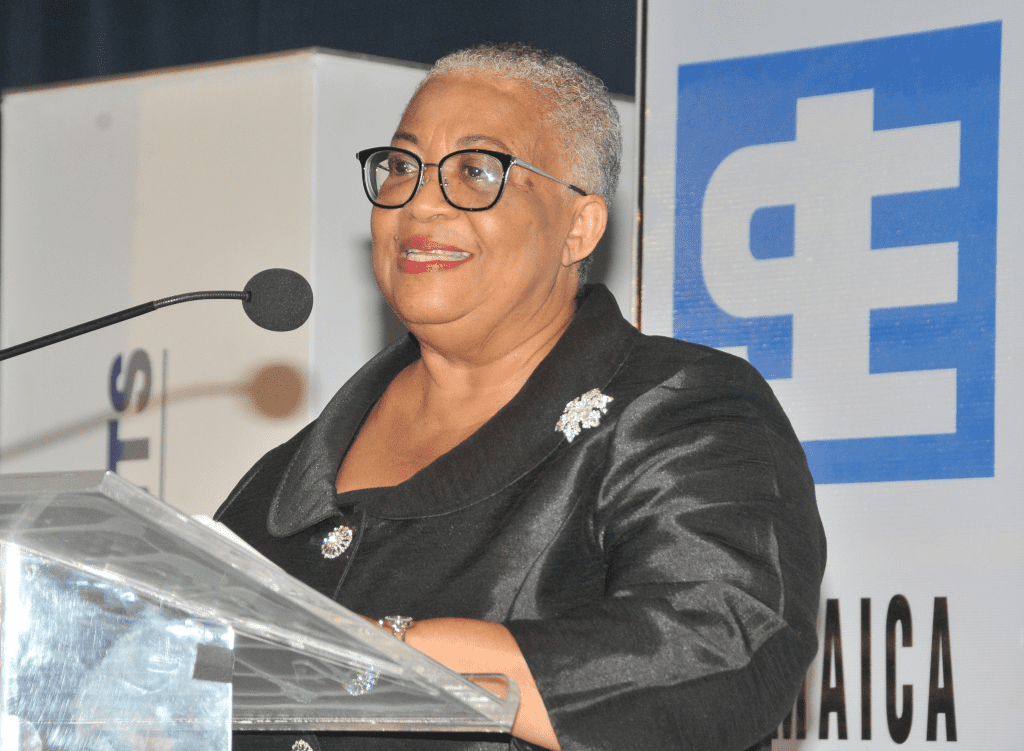
News Americas, NEW YORK, NY, Fri. March 20, 2026: On March 17, 2026, Northern Caribbean University hosted Dr. Marlene Street Forrest for a keynote address that presses leaders to move beyond replication and towards innovation rooted in local realities. Her theme, The Cultural Shift: Not Copying, Reshaping, redefines global finance as a mechanism for social impact, structural opportunity, and sustainable growth. For small nations, where market inefficiencies and global competition often constrain advancement, reshaping systems is both a strategic advantage and a moral necessity.
Remittances as a Foundation for Economic Resilience
One of the most profound indicators of the Caribbean’s economic potential lies in diaspora financial flows. The Inter‑American Development Bank projects remittances to the Caribbean will reach approximately USD 20.9 billion in 2025, growing by 9.2 per cent year over year, with the United States and Canada accounting for more than sixty per cent of all inflows. These transfers are not ancillary; they sustain households, support education, fund entrepreneurial ventures, and provide a form of economic cushioning that formal markets often cannot deliver. In several Caribbean countries, remittances contribute a significant proportion of national income and act as stabilizers during economic shocks. This underscores the importance of designing systems that engage diaspora capital purposefully rather than treating these inflows as isolated financial phenomena.
Digital Financial Tools as Engines of Growth
Small and medium enterprises are the core drivers of Caribbean economies, yet persistent barriers limit their access to credit, export markets, and scalable networks. Across the region, firms encounter cross‑border payment delays, high transaction costs, and limited digital infrastructure. At the same time, research indicates that digital financial tools can fundamentally change enterprise trajectories. In Jamaica, ninety‑one per cent of SMEs that accept digital payments report that this has led to significant growth in their business operations. These firms also experience time and cost savings, improved supplier relationships, and enhanced ability to engage international customers. Conversely, many SMEs that have not yet adopted digital payments report losing customers regularly because they cannot offer modern payment options. These data demonstrate that digital financial adoption is not an optional accessory but a transformational lever for competitiveness and resilience in the global economy.
Building Leadership Capacities for Systemic Impact
Innovation without capable leadership remains unrealised potential. Dr. Street Forrest identified five essential capacities for leaders who will reshape Caribbean financial systems. Systems thinking enables leaders to identify leverage points where small interventions can yield outsized improvements. Contextual intelligence ensures policies are matched to cultural and regulatory environments. Governance literacy fosters transparency and accountability that attract investment. Developmental vision converts financial inputs into job creation, enterprise growth, and communal benefits. Leadership in uncertainty equips individuals and institutions to act decisively amid complexity. Together, these capacities form a framework for leaders to convert ideas into functioning systems that empower citizens and attract global participation.
Designing Systems that Reflect Local Purpose
Dr. Street Forrest offered concrete proposals for transformative systems tailored to Caribbean strengths. A regional commodities market, for example, could provide transparent valuation for products such as cacao from Guyana and coffee from Jamaica, giving producers direct access to broader markets and enabling fairer pricing. Another proposal involves community‑backed financing partnerships that match local savings with vetted small businesses needing capital, effectively transforming social trust into productive economic participation. Renewable energy investment platforms can mobilise global capital into projects that strengthen resilience, reduce costs, and create employment. These concepts illustrate how systems designed with local purpose and integrity can unlock latent potential and position the Caribbean as a leader in inclusive economic innovation.
Conclusion
Dr. Marlene Street Forrest’s keynote offers a pragmatic and inspiring blueprint for the future. Replication of external models will not deliver the inclusive prosperity that the Caribbean and its diaspora aspire to achieve. Instead, leaders must design systems that harness diaspora capital, leverage digital transformation, and reflect local realities. This requires a generation of leaders equipped with strategic insight, contextual intelligence, governance proficiency, developmental vision, and the courage to lead in uncertainty. When these capacities converge with innovation, finance becomes not merely a technical discipline but a force for human empowerment, economic inclusion, and sustainable growth. The Caribbean’s future will be defined not by adoption of global templates but by the creativity and conviction of its own leaders to shape systems that elevate communities and earn global respect.