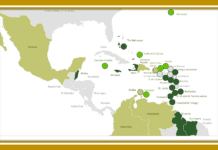




News Americas, NEW YORK, NY, Mon. July 7, 2025: What does it mean to be Caribbean, both by geography and by destiny? What power lies in fifteen independent nations and five associate members choosing not to go it alone but to go further together? On CARICOM Day, we do more than celebrate history. We awaken legacy. We ignite vision. We are called to reimagine what it means to be one people navigating the storms of climate change, cultural fragmentation, global inequality, and geopolitical tension with dignity, resilience, and that unmistakable Caribbean flair.
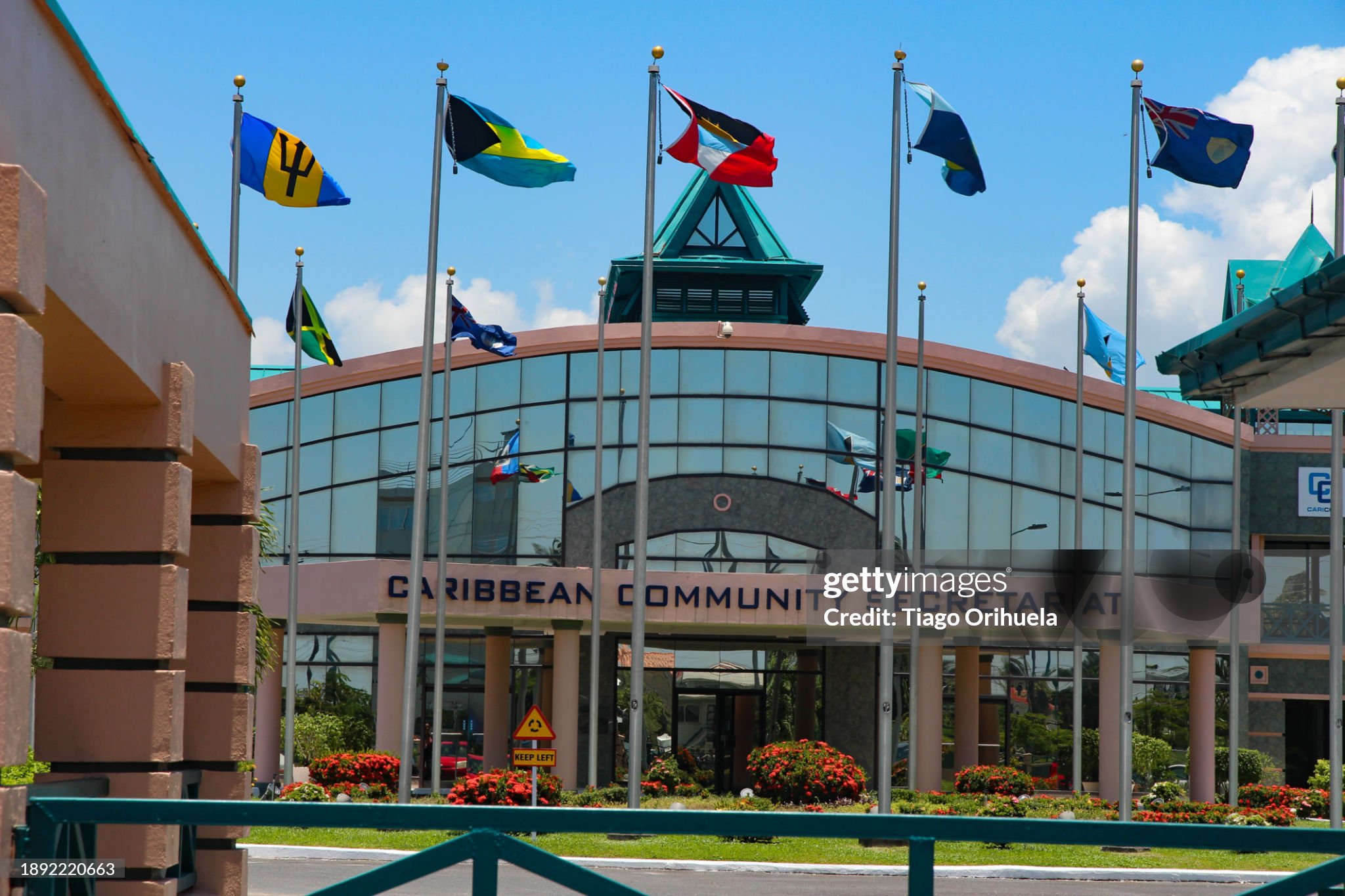
CARICOM, the Caribbean Community, was born on July 4, 1973, with the signing of the Treaty of Chaguaramas. Rising from the ashes of a failed federation, it emerged as a promise: that small island nations, once colonized and often dismissed, could unite their voices to protect their interests, promote development, and uplift their people. Its deep blue and golden flag reflects the Caribbean Sea and our enduring strength. Its two interlocked Cs declare a covenant of cooperation. Yet in this pivotal moment, CARICOM must become more than symbol. It must become substance. Is it flexible enough to solve today’s problems? Is it bold enough to shape tomorrow’s solutions?
We are living in complex times. The climate crisis threatens the very existence of low-lying islands. Disasters come faster and fiercer. The global economy grows more hostile to small states as visa restrictions tighten and trade tariffs rise. Our young people are often disconnected digitally, economically, and emotionally from the promise of a brighter future. Meanwhile, international wars and inflation destabilize prices, shrink household incomes, and strain government resources. Standing still is not an option. The Caribbean must choose to either drift apart or rise together.
And yet, in every challenge lies a spark of possibility. Our cultural richness is unmatched. From Marley’s music to Walcott’s verse, from Usain Bolt’s lightning to Kittitian music festivals, to St. Lucia’s beauty, Dominica’s green majesty, Antigua and Barbuda’s more than 365 beaches, Barbados’ glorious caves, and Trinidad and Tobago’s carnivals, the Caribbean speaks the language of brilliance, bloom, bliss, and blossom. CARICOM has championed climate justice, called for reparations, and explored regional digital transformation. These are more than headlines. They are milestones. Now imagine the power of a Caribbean that moves as one: unified health systems, shared disaster responses, regional research hubs, and a single market for skills and technological innovation.
To get there, CARICOM must evolve. It must move more nimbly by cutting bureaucratic bottlenecks and accelerating regional integration. It must lead more nobly by demanding visionary, accountable leadership committed to people over politics. It must become more noticeable by making a tangible difference in the everyday lives of citizens, from affordable food to meaningful jobs. Three key steps can accelerate this transformation. First, launch a secure digital identity across member states to make mobility, education, and employment seamless. Second, invest in renewable energy and climate-resilient infrastructure to lessen dependence on foreign aid. Third, implement a shared Caribbean curriculum that empowers the next generation to lead with pride, purpose, and innovation by forming new relationships with Africa and partnerships with BRICS.
This is the moment for greater flexibility, stronger faith, and deeper fortitude. If we act with vision and unity, we will not only survive the storms. We will dance in the rain and harvest from the clouds. Let us move beyond talk and into transformation. The world is watching. Our ancestors are whispering. And our children are waiting.
As the Caribbean proverb reminds us: “Time longer than rope, but unity stronger than storm.”
EDITOR’S NOTE: Dr. Isaac Newton is a Harvard, Princeton, and Columbia-trained change management expert and development consultant. For over 30 years, he has worked with leaders across the Global South to align moral vision with practical transformation. He is the author of several books and coauthor of Steps to Good Governance, a timely guide for ethical and effective leadership. With a unique ability to blend academic insight with cultural wisdom, Dr. Newton offers a powerful voice of hope and strategy for a Caribbean rising.