



By Dr. Isaac Newton
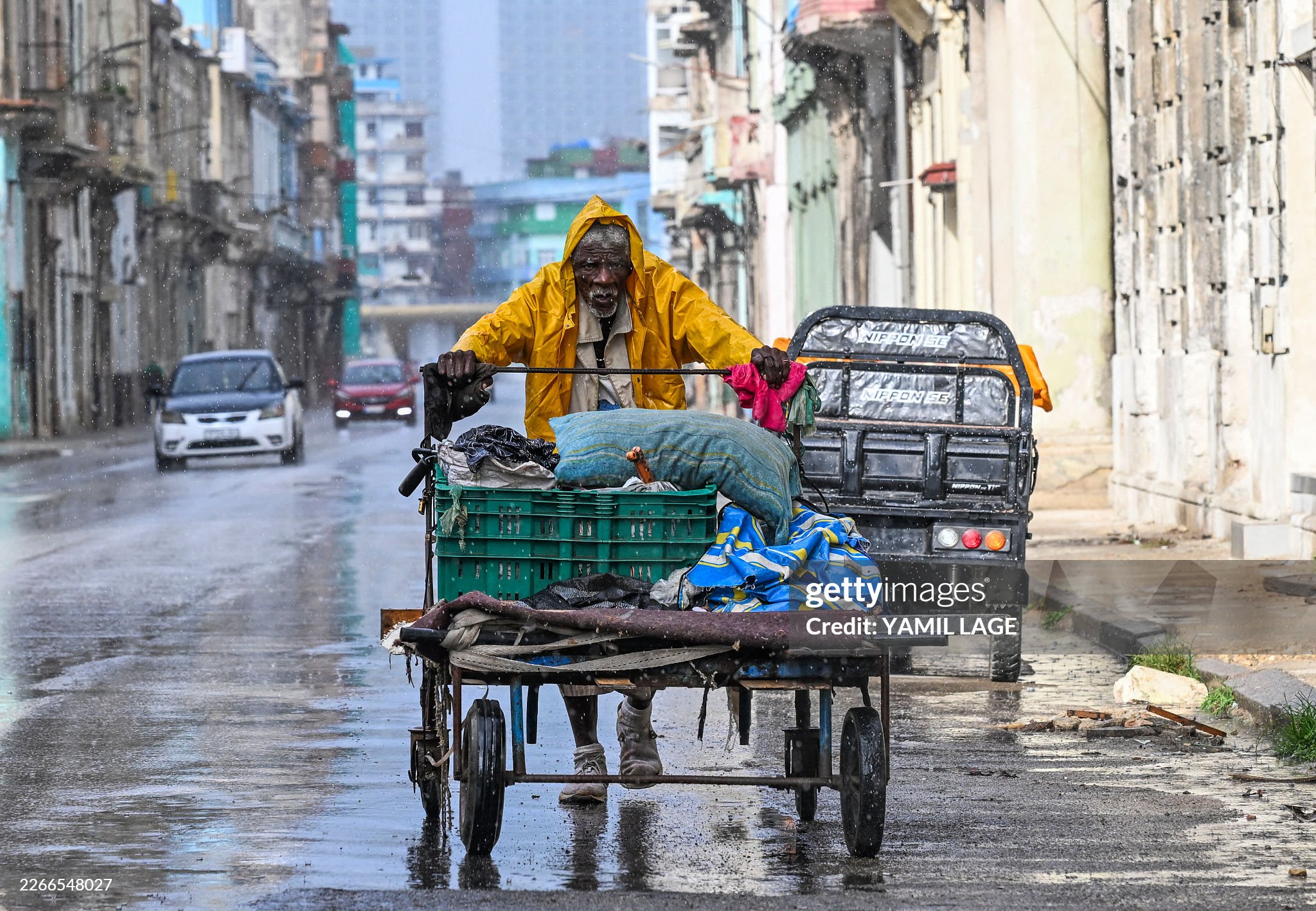
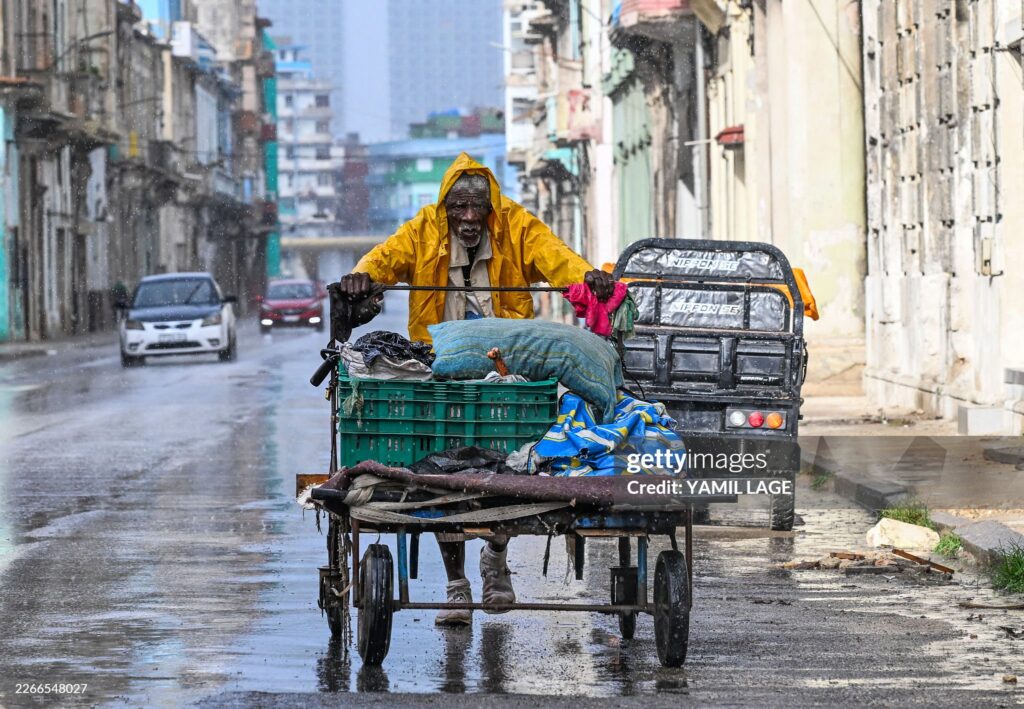
There are moments in history when power no longer feels compelled to explain itself. Cuba has entered such a moment. An entire society is being strained through the steady constriction of the systems that sustain ordinary life. Electricity fails, water access weakens, and hospitals operate under mounting pressure. The process is controlled, yet its consequences are expansive and deeply human.
For the Caribbean, this is not a distant concern. It is a revealing episode unfolding within the region’s immediate environment. It shows how influence is exercised when restraint is optional and when consequence is unevenly distributed.
The question facing Caribbean leadership is no longer abstract. What secures the position of small states when power proceeds without justification?
Diplomatic Trauma and the Limits of Assumption
Caribbean diplomacy has long been shaped by a disciplined belief that international order offers protection. Institutions such as the United Nations and the commitments expressed in the UN Charter were intended to ensure that sovereignty would not depend on size.
Cuba reveals the limits of that assumption.
The United Nations General Assembly has expressed its position with clarity and consistency. The language is firm. The outcome remains unchanged.
International law continues to define legitimacy with precision. It no longer guarantees restraint with certainty.
This moment exposes what may be described as diplomatic trauma. It is the inherited expectation that fairness, once articulated, will eventually shape outcomes. That expectation was formed in a different era. It now operates in a system that no longer consistently responds to it.
The Emotional Climate of Decision Making
Leaders across the Caribbean are making decisions within a climate shaped by competing internal pressures.
Fear reflects the real possibility of economic disruption. Anger arises from the visible erosion of sovereign respect. Anxiety emerges from structural exposure. Hope persists, even as evidence becomes more complex.
These forces influence judgment. When left unexamined, they narrow strategic options. When understood, they can be ordered into disciplined thinking.
Leadership in this moment requires composure. It calls for decisions that are informed by reality rather than driven by reaction.
Beyond Simplified Alignment
Public discourse often reduces the present situation to a limited set of choices. One path emphasizes alignment in order to preserve stability. Another emphasizes resistance in order to defend principle.
Each carries consequence. Alignment can gradually weaken independent positioning. Resistance can invite concentrated pressure within an uneven system.
A more effective posture requires movement across contexts. It allows leaders to engage differently depending on circumstance while remaining anchored in a clear sense of purpose.
Power no longer requires consensus to act. It requires only capacity. Small states must therefore respond with flexibility rather than rigidity.
Strategic Dispersion as Regional Practice
The Caribbean has traditionally sought strength through a unified voice. In the current environment, resilience depends on a more adaptive approach.
Strategic dispersion offers such an approach. It allows states to act with coordinated intent while avoiding uniform exposure.
Some governments may maintain close operational relationships with major powers. Others may assert principled positions within multilateral forums. Others may continue practical engagement with Cuba in areas that support essential systems.
This pattern reflects deliberate variation guided by shared awareness. It distributes risk while preserving agency. It allows the region to act without concentrating vulnerability.
Small states are not ignored because they lack voice. They are often overlooked because they remain interruptible. Strategic dispersion reduces that exposure.
Reframing the Field of Action
The way a problem is defined determines how it can be addressed.
When Cuba is approached primarily as a political issue, responses are shaped by alignment and opposition. That setting limits the scope for practical engagement.
When the situation is understood as a disruption of the systems that sustain civilian life, a different set of responses becomes available. Attention shifts to hospitals, water access, and the continuity of essential services.
Engagement through organizations such as the International Committee of the Red Cross enables action within this frame. It centers human need while allowing for measured response.
This shift does not resolve the underlying conflict. It expands the range of what can be done within it.
Structural Exposure and Strategic Response
Cuba’s experience highlights a broader regional condition. Caribbean economies remain deeply dependent on external sources for energy, food, and trade. These dependencies are structural. They create points of sensitivity that can be influenced with precision.
Dependence is no longer only an economic condition. It has become a strategic liability.
Reducing this exposure requires sustained investment in energy diversification, regional food systems, and advanced human capital. It requires partnerships that expand options rather than reinforce concentration.
Engagement with countries such as Brazil and Mexico can support this process. The objective is not separation from the global system. It is the ability to function when that system applies pressure.
From Advocacy to Capability
The Caribbean has established a strong record of principled advocacy. Its voice on issues of sovereignty and fairness remains clear.
In the present environment, advocacy must be matched by capability.
This requires the design of systems that can absorb disruption, the cultivation of relationships that do not depend on a single axis, and the development of policies that anticipate constraint.
Principle retains its importance. It must now be reinforced by execution.
Leadership Without Illusion
This moment places a demanding responsibility on leadership.
Leaders must interpret the system as it operates, not as it is described. They must communicate with clarity while preserving room to act. They must guide institutions through uncertainty without allowing uncertainty to define outcomes.
Silence carries consequence. It signals acceptance, whether intended or not.
Clarity creates space for agency.
Reading the Signal
Cuba is not an isolated disruption. It is a signal of how the current order behaves under strain.
The Caribbean now faces a defining task. It must align its principles with practical capacity. It must act with precision within a system that does not always reward fairness.
Small states are not defined solely by their constraints. They are defined by how they organize within them.
Power has changed its language.
The Caribbean must now change its strategy.