



By NAN Staff Writer
News Americas, NEW YORK, NY, Fri. Aug. 5, 2016: While U.S. authorities in Miami are concerned about the sudden increase in cases of Zika in the city, the disease remains a threat in several Caribbean nations. Latest data accessed by NAN from the European Centre for Disease Prevention and Control show that these five Caribbean nations have the most suspected cases of Zika. They are:
1: Martinique
Sitting at the top of the list is the French Caribbean island of Martinique with a whopping 33, 900 suspected cases reported, as of week ending July 30, 2016. This is an increase of 455 since the previous week. However, the good news is that the weekly number of cases has been slightly declining during the past two weeks.
2: Guadeloupe
Guadeloupe comes in at second 25, 450 suspected zika cases as of last week, an increase of 1,505 suspected cases from the previous week. However, the weekly number of cases is also rapidly declining over the past two weeks.
3: French Guiana
In the third spot on the top five list is French Guiana where there were
9, 225 suspected cases detected as of July 30th, an increase of 140 from the previous week. But like in Martinique and Guadeloupe, the weekly cases are showing a decline.
4: Puerto Rico
Coming in at fourth is the Caribbean U.S. territory of Puerto Rico. As of July 27th, Puerto Rico has reported 5,572 confirmed cases of the Zika virus, an increase of 855 cases per week in the last four weeks.
5: Saint Martin
French Saint-Martin rounds out the top five list with 1,730 suspected Zika cases reported as of July 28, 2016, Saint Martin, the overseas collectivity of France, has reported 1,730 suspected Zika virus disease cases, of which 200 are confirmed. However, the suspected cases have been rising in the last 8 weeks.
OVERALL
To date, 42 countries and territories in the Americas have confirmed local, vector-borne transmission of Zika virus disease as of July 29, 2016 according to PHAO.
They are: Anguilla; Antigua and Barbuda; Argentina; Aruba; Barbados; Belize; Bolivia (Plurinational State of); Bonaire, Sint Eustatius, and Saba; Brazil; Colombia; Costa Rica; Cuba; Curaçao; Dominica; the Dominican Republic; Ecuador; El Salvador; French Guiana; Grenada; Guadeloupe; Guatemala; Guyana; Haiti; Honduras; Jamaica; Martinique; Mexico; Nicaragua; Panama; Paraguay; Peru; Puerto Rico; Saint Barthélemy; Saint Lucia; Saint Martin; Saint Vincent and the Grenadines; Sint Maarten; Suriname; Trinidad and Tobago; Turks and Caicos Islands; the United States Virgin Islands; and Venezuela. In addition, five countries in the Americas have reported sexually transmitted Zika cases (Argentina, Canada, Chile, Peru, and the United States of America.
US ZIKA
As of July 27, 2016, 1,658 cases of Zika have been reported to CDC in the continental United States and Hawaii; none of these were the result of local mosquitoes. These cases include 15 believed to be the result of sexual transmission and one that was the result of a laboratory exposure. This number does not include the four Florida cases likely caused by local transmission.
About
The Zika virus spreads to people primarily through the bite of an infected Aedes species mosquito but can also be spread during sex by a person infected with Zika to their partner.
Most people infected with Zika won’t have symptoms, but for those who do, the illness is usually mild. However, Zika infection during pregnancy can cause a serious birth defect of the brain called microcephaly and other severe fetal birth defects.
No vaccines or treatments are currently available to treat or prevent Zika infections.
HOW TO PROTECT YOURSELF
The CDC continues to encourage everyone, especially pregnant women and women planning to become pregnant, to protect themselves from mosquito bites.
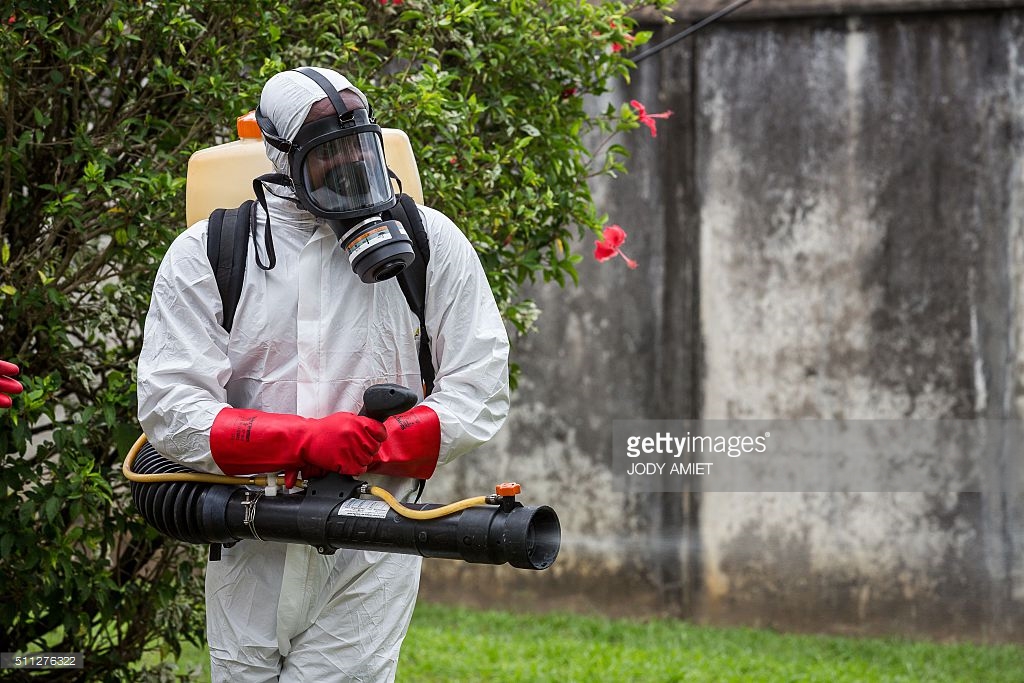
Remember to use an insect repellent registered by the Environmental Protection Agency (EPA) and containing DEET, wear long-sleeved shirts and long pants, use or repair screens on windows and doors, use air conditioning when available, and remove standing water where mosquitoes can lay eggs.