




News Americas, New York, NY, Mon. Feb. 2, 2026: As Black History Month officially began on February 1st, the Donald Trump White House has so far failed to issue a proclamation recognizing the observance – an omission that carries unusual weight in 2026, the 100th year of national Black History Month 2026 commemorations in the United States.
The silence comes amid a broader rollback under the Trump administration that has targeted diversity, equity, and inclusion initiatives, curtailed civil rights observances, and sought the removal or reinterpretation of slavery memorials and historical markers. Trump started his second term by claiming some African American history lessons are meant to indoctrinate people into hating the country. The administration has dismantled Black history at national parks, most recently removing an exhibit on slavery in Philadelphia last month. Black history advocates see these acts and their chilling effect as scary and unprecedented. Against that backdrop, the absence of a Black History Month proclamation has drawn concern from scholars and advocates who see it as part of a wider effort to narrow how American history is officially remembered.
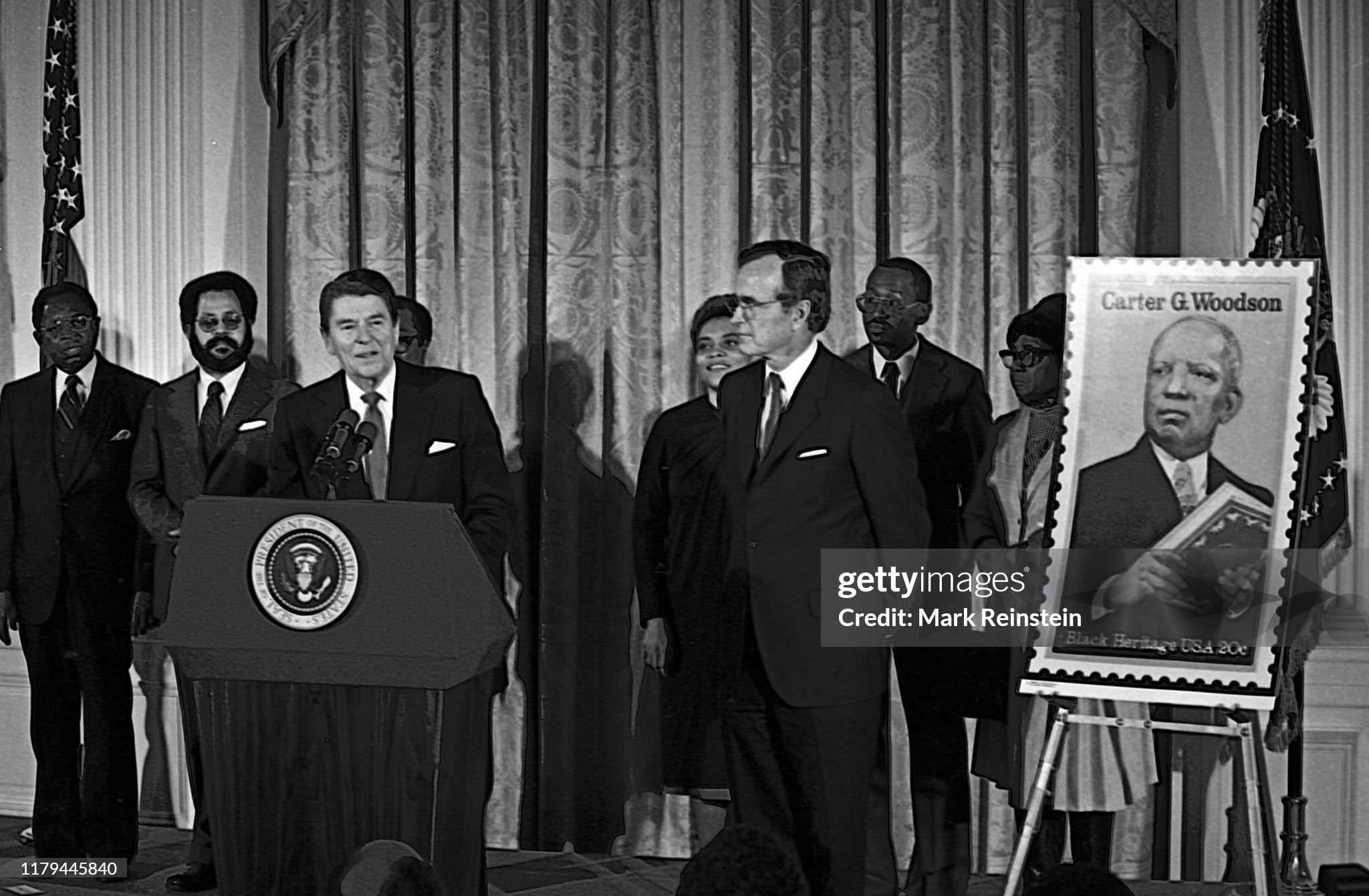
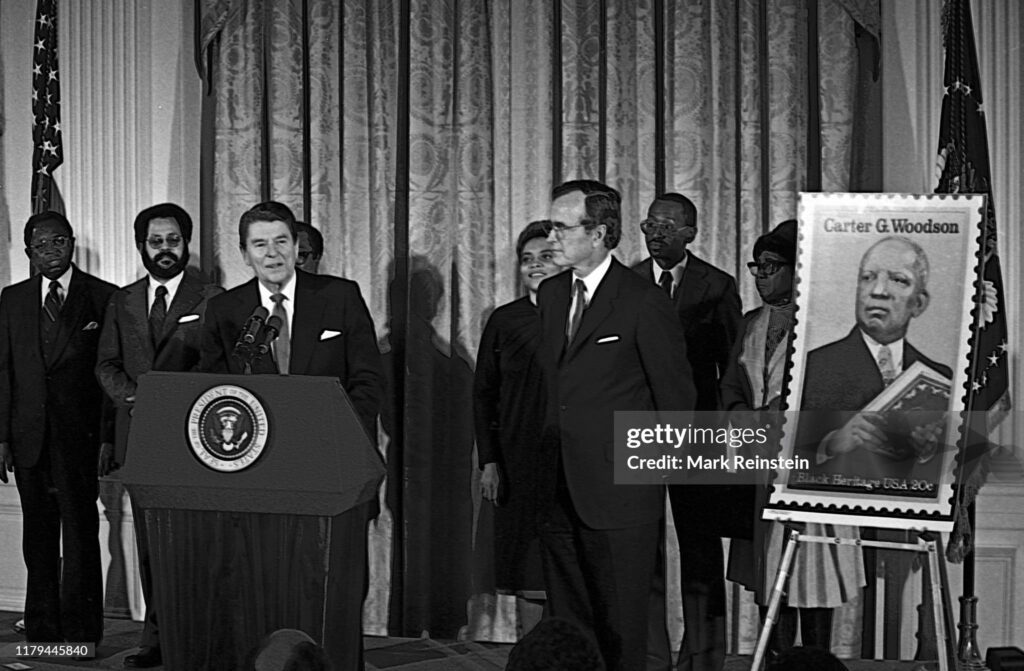
This year marks 100 years since the first national observance of Black history. In 1915, a group of Black intellectuals and educators – including historian Dr. Carter G. Woodson – founded what would become the institutional backbone of Black historical study and commemoration. A decade later, in 1925, Woodson launched Negro History Week, laying the foundation for what would eventually become Black History Month.
Woodson’s goal was never symbolic celebration alone. He believed that documenting and teaching Black history was essential to reshaping how Black Americans understood themselves—and how the nation understood its own past. Over time, that effort transformed Black history from the margins of scholarship into a central pillar of American cultural life.
The movement also carried a global dimension. Early Black historians in the United States linked African American history to the wider African diaspora, commemorating milestones such as the Haitian Revolution, the abolition of the transatlantic slave trade, emancipation in Jamaica, and the long struggle for freedom across the Americas. These observances reinforced a shared historical consciousness that crossed borders and generations.
For decades, federal recognition followed. In 1976, during the U.S. Bicentennial, President Gerald Ford became the first president to formally acknowledge Black History Month. Ten years later, Congress designated February as Black History Month by law. Since then, the observance has expanded far beyond classrooms, shaping programming in museums, libraries, archives, churches, workplaces, and public spaces across the country – and increasingly around the world.
That legacy makes the current silence more conspicuous.
As historian Arthur A. Schomburg once observed, “The American Negro must remake his past in order to make his future.” For a century, Black History Month has served precisely that purpose – offering a sustained, organized effort to ensure that Black contributions, struggles, and achievements remain visible within the national story.
In a year meant to mark that centennial journey, the lack of recognition from the White House is being read by many not as oversight, but as signal – raising fresh questions about whose history is affirmed, whose is minimized, and what the future of public memory in the United States may hold. But te current political climate has energized civil rights organizations, artists and academics to engage young people on a full telling of America’s story. There are hundreds of lectures, teach-ins and even new books – from nonfiction to a graphic novel – to mark the milestone.