


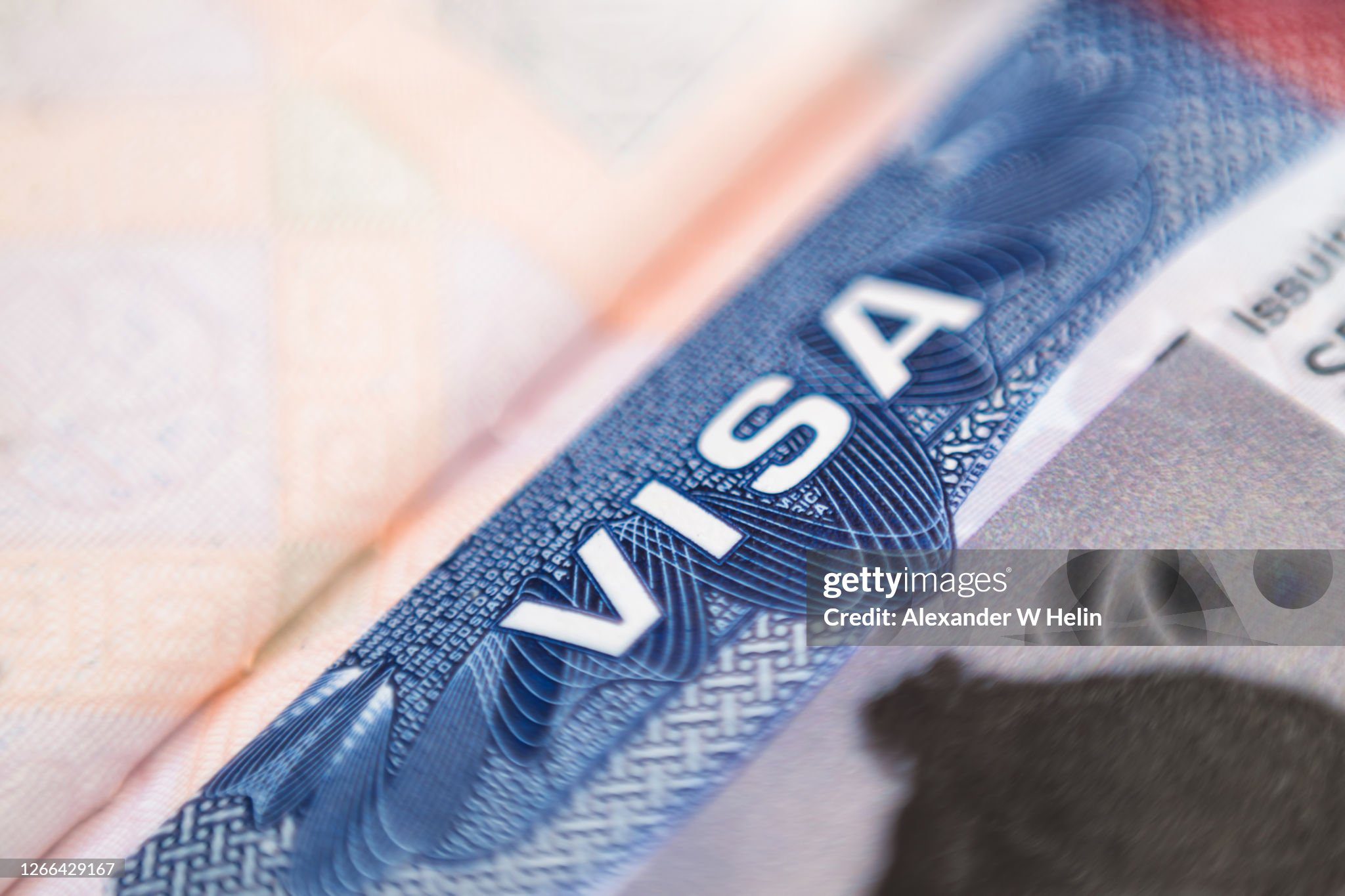
News Americas, WASHINGTON, D.C., Weds. Jan. 14, 2026: Caribbean nationals from three countries in the region will soon be required to post visa bonds of up to $15,000 in order to enter the United States on visitor visas.
Antigua and Barbuda, Cuba, and Dominica are the countries that will be affected come January 21, 2026. the US State Department cites the U.S. pilot program as addressing visa overstay rates but the data especially for Antigua and Dominica show very low numbers.
However, it comes on the heels of the White House’s December partial visa ban on Antigua and Dominica, based on its Citizenship By Investment Program.
The US’ latest policy applies to travelers seeking B1/B2 visitor visas and is being implemented under Section 221(g)(3) of the Immigration and Nationality Act (INA) and a Temporary Final Rule (TFR) establishing the pilot program.
How The Visa Bond Will Work
Under the new rules, any citizen or national traveling on a passport issued by Antigua and Barbuda, Cuba, or Dominica – who is otherwise eligible for a B1/B2 visa – may be required to post a bond of $5,000, $10,000, or $15,000.
The bond amount will be determined at the discretion of a U.S. consular officer during the visa interview. Applicants directed to post a bond must complete Department of Homeland Security Form I-352 (Immigration Bond) and agree to the bond terms through the U.S. Treasury’s Pay.gov payment platform.
Officials emphasized that:
- Applicants must not submit Form I-352 or pay any bond unless instructed by a consular officer.
- Payments made outside official U.S. government systems will not be refunded.
- Posting a bond does not guarantee visa issuance.
Designated Ports Of Entry Required
As a condition of the visa bond, travelers who post a bond must enter and exit the United States only through designated ports of entry. Failure to do so could result in denied entry or departure records not being properly captured.
The approved ports of entry include:
- Boston Logan International Airport (BOS)
- John F. Kennedy International Airport (JFK)
- Washington Dulles International Airport (IAD)
- Newark Liberty International Airport (EWR)
- Hartsfield-Jackson Atlanta International Airport (ATL)
- Chicago O’Hare International Airport (ORD)
- Los Angeles International Airport (LAX)
- Toronto Pearson International Airport (YYZ)
- Montréal–Pierre Elliott Trudeau International Airport (YUL)
U.S. officials said additional ports may be added on a rolling basis.
When Bonds Are Refunded
According to guidance from the U.S. Department of Homeland Security, the visa bond will be automatically canceled and refunded if one of the following occurs:
- DHS records show the traveler departed the U.S. on or before their authorized stay expires.
- The traveler never enters the United States before the visa expires.
- The traveler applies for admission at a U.S. port of entry and is denied entry.
What Constitutes A Bond Breach
Cases where bond terms may have been violated will be referred to U.S. Citizenship and Immigration Services for review. Situations that may trigger a breach determination include:
- Departing the U.S. after the authorized stay period.
- Remaining in the U.S. beyond the permitted stay.
- Applying to adjust status, including seeking asylum, after entering on a bonded B1/B2 visa.
If a breach is confirmed, the bond may be forfeited, and the funds retained by the U.S. government.
Broader Implications for Caribbean Travelers
The visa bond requirement represents a significant shift for affected Caribbean nationals, adding a substantial financial barrier to short-term travel to the United States. While the State Department has cited visa overstay rates as the basis for the pilot, immigration advocates are expected to question the fairness and economic impact of the policy – particularly on families, students, and business travelers.
For now, travelers from Antigua and Barbuda, Cuba, and Dominica are urged to closely review visa instructions, attend consular interviews prepared for possible bond requirements, and seek guidance from qualified immigration professionals before making travel plans.