




By News Americas Staff Writer
News Americas, WASHINGTON, D.C., Weds. July 9, 2025: In a sweeping move that could impact tens of thousands of Central American immigrants living in the United States, the Department of Homeland Security has formally rescinded Temporary Protected Status, (TPS), for Honduras and Nicaragua, citing improved conditions in both countries.
The decisions, announced late Monday by Secretary of Homeland Security Kristi Noem, will take effect 60 days after publication in the Federal Register, in accordance with federal statute. TPS beneficiaries from both countries – many of whom have lived in the U.S. for over two decades—will now face the prospect of returning to nations still grappling with political instability, poverty, and migration pressures.
“Temporary Protected Status was designed to be just that—temporary,” said Secretary Noem, in a statement that echoed long-standing conservative critiques of the program. “It is clear that the governments of Honduras and Nicaragua have taken the necessary steps to recover from the disasters that led to their original designations.”
TPS for Honduras was first granted in 1999, following the catastrophic impact of Hurricane Mitch in 1998, which displaced hundreds of thousands and devastated the country’s infrastructure. A similar designation was extended to Nicaragua around the same time due to widespread hurricane-related damage.
According to DHS, both decisions were made after consultation with the Department of State and a review of current conditions by U.S. Citizenship and Immigration Services. The agency concluded that recovery efforts in both nations had rendered the initial justifications for protection obsolete.
“The impacts of a natural disaster impacting Nicaragua in 1999 no longer exist,” said a DHS spokesperson. “This decision restores integrity in our immigration system and ensures that TPS remains temporary.”
However, immigration advocates and legal observers argue the move ignores the ongoing economic and political challenges in both countries. Human rights organizations have flagged persistent instability, including authoritarian crackdowns in Nicaragua under President Daniel Ortega and rising insecurity and corruption in Honduras.
The announcement came without a public press briefing, drawing sharp criticism from immigrant advocacy groups, many of whom have warned that a quiet phase-out of TPS could amount to mass disenfranchisement of long-standing residents.
“These are not temporary migrants,” said Maribel Rodriguez, director of the Central American Immigrant Defense Network. “They have homes, families, businesses. Ending TPS now is tantamount to forced exile.”
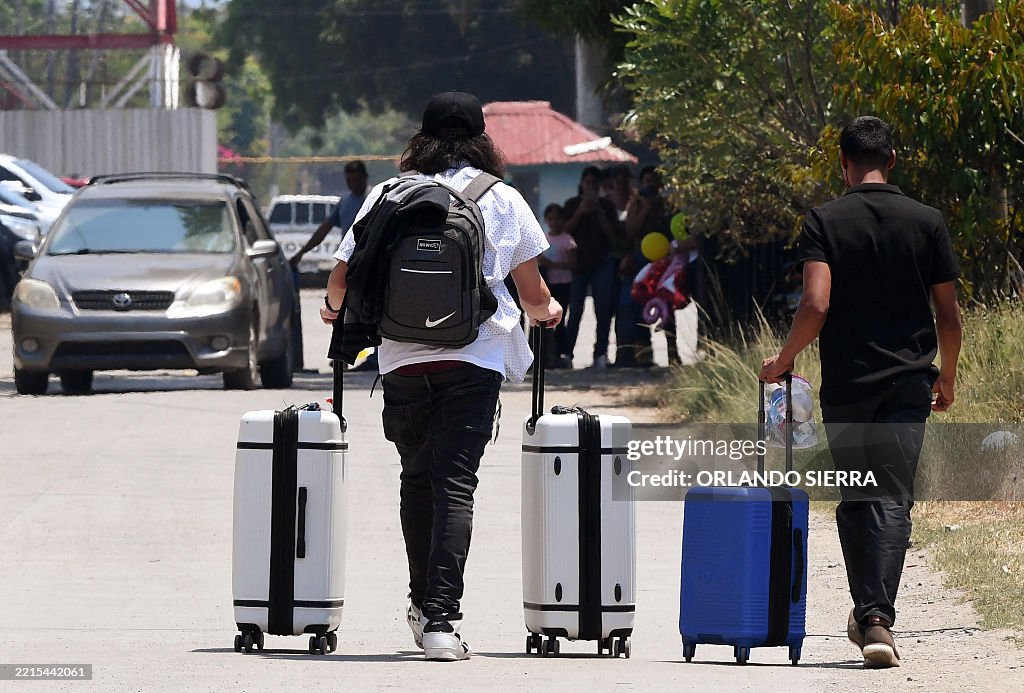
According to DHS estimates, more than 44,000 Honduran and 2,500 Nicaraguan nationals currently hold TPS status. Many of them have U.S.-born children and have spent decades building lives in cities from Miami to Los Angeles to Houston.
The government is offering voluntary return support for those affected, including a complimentary plane ticket, a $1,000 relocation bonus, and access to reintegration programs in their home countries. DHS is also encouraging departing TPS holders to use the CBP Home app to register their exit from the U.S., which officials say may preserve future eligibility for legal immigration.
For now, the uncertainty looms.
The Biden administration had previously extended TPS protections for several nationalities and introduced new designations. But the return of Trump-era immigration leadership under President Trump’s re-election has led to a sharp reversal, with a renewed emphasis on enforcement, deterrence, and the rollback of humanitarian relief programs.
Whether Congress steps in to provide a legislative fix remains unclear.