




By Felicia J. Persaud
News Americas, NEW YORK, NY, Weds. March 18, 2026: The number of immigrants who have died while in the custody of U.S. Immigration and Customs Enforcement (ICE) in 2026 has now risen to 11, with additional deaths reported shortly after release – raising urgent concerns about medical care, detention conditions, and post-release practices.
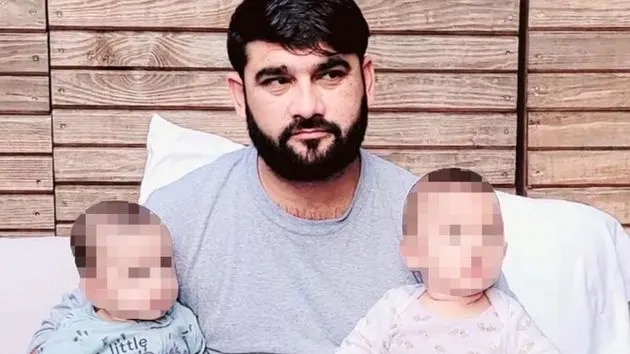
The latest death is that of Mohammad Nazeer Paktiawal, a 41-year-old immigrant from Afghanistan, who died on March 14th at Parkland Hospital in Dallas, Texas, just one day after being taken into ICE custody. According to ICE, Paktiawal was arrested on March 13th during a targeted enforcement operation and placed into immigration proceedings. Officials say he did not report any prior medical history at the time of intake.
However, hours later, he began complaining of shortness of breath and chest pain while being held in a processing room. Emergency Medical Services were called, and he was transported to the hospital, where doctors recommended observation. The following morning, while eating breakfast, medical staff observed swelling of his tongue, triggering an emergency response. Despite multiple life-saving efforts, Paktiawal was pronounced dead at 9:10 a.m. His death remains under investigation.
The Afghan-American Foundation is among the groups calling for a full investigation. “Whatever one’s views on immigration policy, a man who served alongside US forces for over a decade, who was evacuated to the US with legal status, who was raising his family here, who was living the life of a neighbor and a dad, deserved to be treated with dignity,” the organization said in a statement. “He deserved basic, adequate care. He deserved to survive.”
Deaths Continue To Rise Across Multiple States
Paktiawal’s death follows a series of fatalities in ICE custody this month alone. On March 2nd, Emanuel Cleeford Damas, a Haitian national, died in Arizona after becoming unresponsive at a medical center. ICE said the preliminary cause of death remains unknown.
But his family disputes the agency’s account, claiming his complaints – including a toothache — were ignored before his condition worsened. They are now seeking an independent autopsy.
Just one day earlier, on March 1st, Pejman Karshenas Najafabadi, a 59-year-old Iranian national, died in Mississippi after suffering cardiac arrest. ICE noted he had a significant medical history and had been hospitalized since February.
A Pattern Emerging
February saw three additional deaths, including:
- Alberto Gutierrez-Reyes, 48, of Mexico, who died after reporting chest pain
- Jairo Garcia-Hernandez, 27, of Guatemala, who collapsed in Miami
- Lorth Sim, 59, a Cambodian national found unresponsive in his cell
In January, five immigrants also died in ICE custody across Texas, Georgia, Pennsylvania, and other states.
ICE maintains that all detainees are held in “safe, secure and humane environments” and that all deaths are under investigation. But the growing number – now 11 in less than three months – is intensifying scrutiny.
Deaths After Release Raise New Concerns
Beyond detention facilities, two additional deaths have raised alarm about what happens after immigrants are released. Daphy Michel, a 31-year-old Haitian asylum seeker, was found dead at a bus shelter in Pittsburgh on March 2nd, just three days after being released by ICE with an ankle monitor. She had entered the U.S. in 2022 under humanitarian protections.
Her death follows that of a 56-year-old blind refugee from Myanmar, who died on the streets of Buffalo, New York, after being left outside a closed coffee shop by Border Patrol agents in late February.
Advocates say these cases point to a troubling pattern. “How did she end up dead?” asked immigration attorney Joseph Murphy, who represents Michel’s family. “You just can’t be dumping these people on the streets like this.”
Calls For Accountability Grow
With deaths occurring both inside detention facilities and shortly after release, immigrant advocates and families are now demanding greater transparency and accountability.
Key questions remain unanswered:
- Were medical complaints taken seriously and addressed in time?
- Are detention facilities equipped to handle medical emergencies?
- What safeguards exist for vulnerable individuals after release?
As investigations continue, the rising death toll is placing renewed focus on the U.S. immigration detention system – and whether it is meeting basic standards of care and human dignity.
Felicia J. Persaud is the founder and publisher of NewsAmericasNow.com, the only daily syndicated newswire and digital platform dedicated exclusively to Caribbean Diaspora and Black immigrant news across the Americas.