





News Americas, NEW YORK, NY, Mon. Dec. 22, 2025: When Lylo Gold released her debut album ‘Lylo Land,’ she entered the industry at a moment when Black and Caribbean artists were still being boxed into genres that often reflect race more than sound. The London-based artist, who has Jamaican and African roots, is using the project to challenge how her music is categorized and heard.
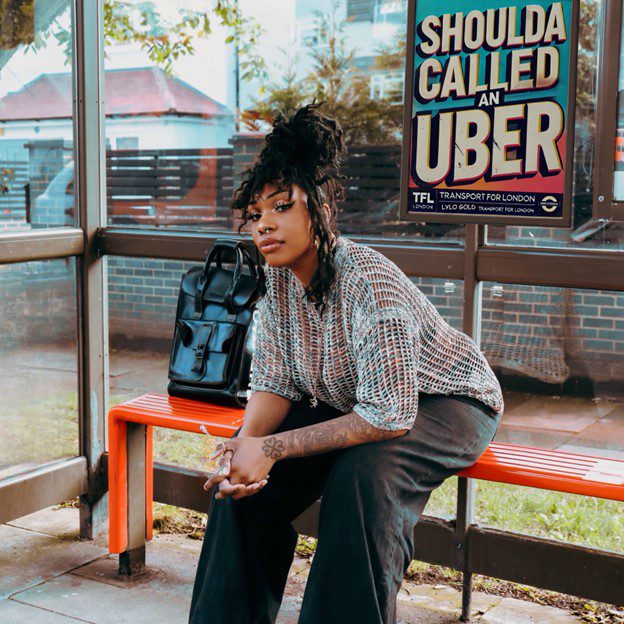
Breaking Genre Boundaries
As an artist with a Caribbean background, she feels like her music is at risk of being put into a box where she can only delve into one sound. She doesn’t want to be defined by one label or genre just because of her roots.
When I asked her if her sound was influenced by her background, she answered: “Whether or not it’s R&B or it’s reggae or it’s hip-hop, it doesn’t really matter because the essence and the spirit of the music is you.”
“Wherever I am, my Black heritage, my African heritage, my Caribbean heritage and all the people that came before me will always exist in everything I do. From the way that I sing, to the way that I write, to the way that I look at the world,” Gold added.
Black music has evolved in hundreds of ways over centuries. It has always been about blending, bending, and reinventing sound to reflect lived experience and history. From ska and lover’s rock to soul, funk and hip-hop, Caribbean and African diasporic artists have shaped nearly every major genre of modern music.
Gold refuses to accept a label assigned to her because she is Black. Her stance is part of a much longer story in which Black artists have pushed modern music forward in countless ways.
“It’s weird that you need to know when the artist is Black instead of simply acknowledging that the music is Black,” she says. “I think that’s the issue I have with the way African Caribbean music is portrayed.”
For Gold, the problem lies in how Black and African Caribbean music is often pigeonholed into being Afrobeat or reggae, when in truth, all of it belongs to a broader Black musical heritage.
When I asked her why she thinks this is an issue in the music industry, her response was clear: “The categorization of our music is really lazy.”
The mislabeling of Black artists might seem minor in the grand scheme, but that is exactly the problem. Lylo explains, “It’s just a way of limiting the culture to whatever people are comfortable with. And people are comfortable with Black artists making R&B.”
Questions around categorization resurfaced publicly following Beyoncé’s historic wins for Cowboy Carter in 2025. Shortly afterward, the Recording Academy announced changes to its country album categories, introducing distinctions such as Best Contemporary Country Album and Best Traditional Country Album. While the Academy did not explicitly link the decision to Beyoncé’s success, the timing sparked widespread debate within the industry about who is allowed to occupy certain genres and how boundaries are enforced.
Reflecting on that moment, Gold points to a familiar pattern. She notes that when Black artists reach levels of commercial or critical success traditionally dominated by white artists, the standards often shift. “Every time Black people enter that realm,” she says, “it feels like the goalpost moves.”
Lylo’s perspective is informed by years of academic study and deep engagement with music history. During her university years, where she specialized in music, she began to recognize how deeply Caribbean and African cultures are embedded across global genres. From Korean pop and Japanese pop to reggaeton and hip-hop, many contemporary sounds trace their roots back to Jamaican and African musical traditions.
She points to artists like Jimi Hendrix and Big Mama Thornton who have shaped rock and roll. Because music has blended so much today with genres like trap and soul mixing freely, Gold believes that categorizing music is no longer as important as it once was.
Lylo Land And Her Legacy
Lylo Gold is not just critiquing the past and present, she’s creating with her own voice. Her latest release Lylo Land tells a story of heartbreak, healing and self-love. The songs on this album are a blend of influences from across genres, tied together by a distinctive story and theme.
“I was obsessed with how the songs flow and tell a story. It’s about acceptance, growth, and choosing to love again,” she says.
Her music also carries a sense of spirituality, as she believes we are all touched by music in some way. “Everything matters,” she says. “Sometimes I write songs I think are cringe, but I trust that authenticity and vulnerability, because it touches people.”
Her song ‘With You’ celebrates choosing someone and choosing love, which feels refreshing in a landscape where many artists focus on toxic relationships. “It’s so nice to delve into the idea of love. And I think Black girls need to delve into it. So much of our music is toxic love,” she says.
Beyond romantic love, Gold also turns inward. In her song ‘Found Love,’ she explores self-love, a message she hopes resonates with all women, but especially with Black women, as a Black woman herself.
She says, “I am allowed to be a person like everybody else instead of it always being, ‘she’s a strong Black woman.’
I am strong when I need to be strong and I am also lovable when I need to be lovable and soft and emotional and all these other things. Why are we only allowed to have three characteristics?”
Gold allows her fans to feel and resonate with her music however they want. She says, “My job as an artist isn’t to police or decide what people should feel.”
That sense of freedom is at the heart of everything she is creating. She is not just redefining Caribbean sound, she is expanding it, pushing it forward and refusing to let the industry decide where she belongs.
Future Projects
Now that her album Lylo Land is out, she is focused on her next big project beyond the music scene. She is also involved with Hype and Genius, a social enterprise focused on providing resources for emerging creators.
The organization runs programs and music camps and after securing new funding, it plans to invest one hundred thousand pounds into sixty UK artists over the next two years. The aim is to offer paid opportunities, community employment and industry-led masterclasses for artists who often lack access to these spaces.
And when asked about her future in music, Gold says, “I want to make a reggae project. I want to make R&B projects. I want to continue to write all of the things that I do, because all of those exist within who I am. And I just think there is no limit.”
As she moves into this next phase, her focus remains on exploring the full range of her sound and the cultural influences that shape it. Where that leads her is still unfolding, but she is clear on one thing: the music she wants to make will not be confined to the categories the industry has relied on for decades.
Check out her music HERE