



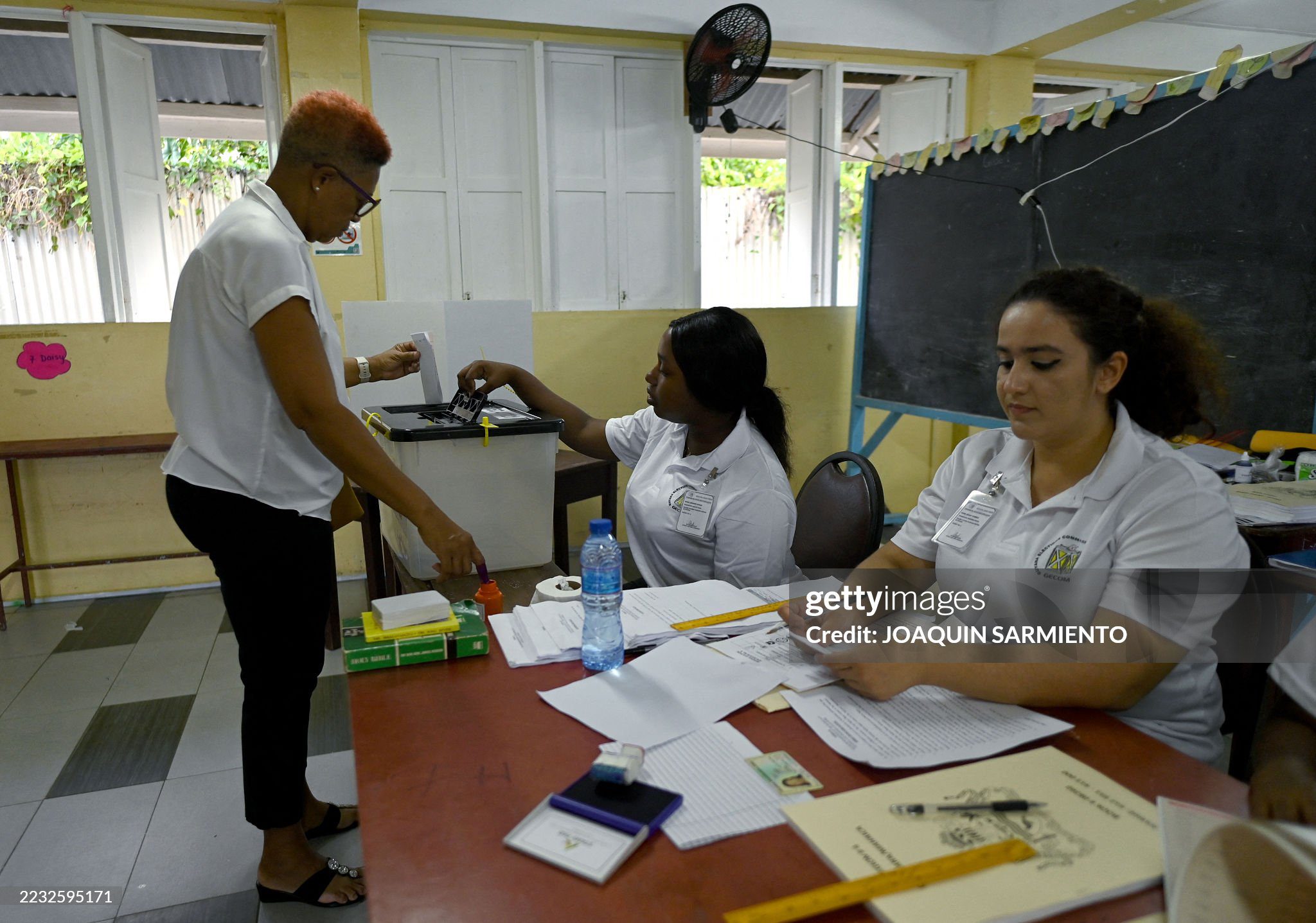
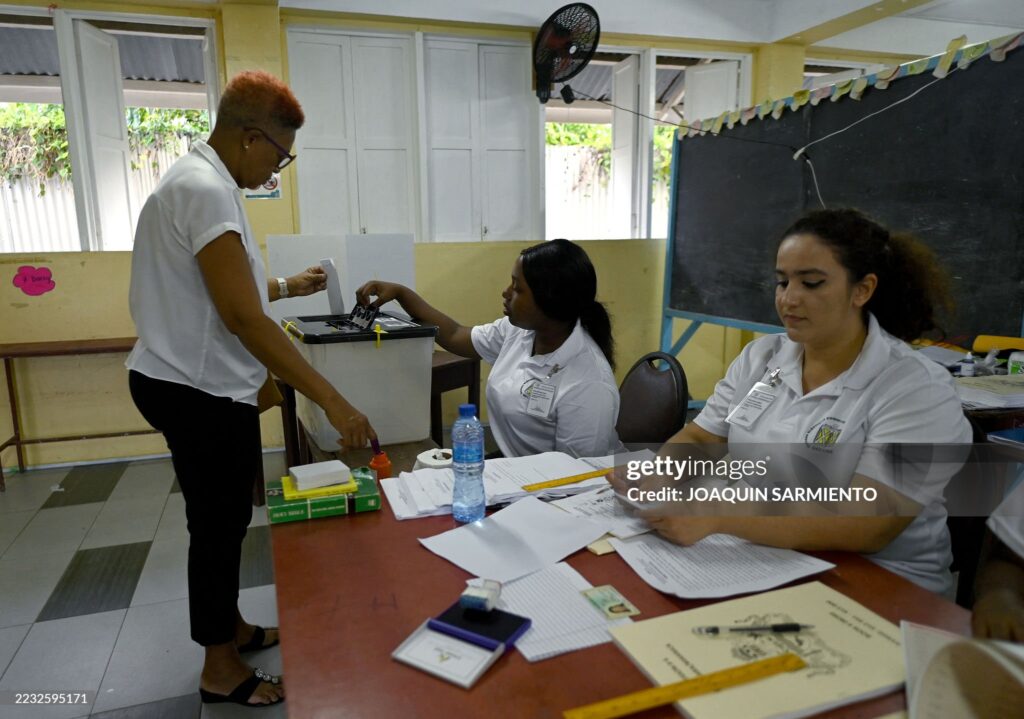
News Americas, NEW YORK, NY, Thurs. Sept. 4, 2025: The European Union Election Observation Mission’s (EU EOM) preliminary findings on the September 1, 2025 General and Regional Guyana elections, expose an uncomfortable truth: while Guyana’s elections were peaceful, they were far from fair.
The EU EOM confirmed what many Guyanese already knew – the ruling administration shamelessly exploited the advantage of incumbency. The flood of project launches, ribbon-cuttings, and welfare distributions during the campaign was not governance; it was blatant electioneering disguised as state business. These spectacles handed the government free publicity and resources no opposition party could possibly match. That is not democracy, it is manipulation.
The abuse did not stop there. State-controlled media and government-aligned outlets drowned the public in propaganda, granting disproportionate coverage to the ruling party while suffocating alternative voices. Independent journalists who dared to challenge officials were harassed, insulted, and bullied both in public forums and online. This toxic climate not only violates press freedom but robs citizens of the fair and balanced information that underpins genuine choice.
Even the Guyana Elections Commission, (GECOM), though efficient in its technical duties, continues to be plagued by political division and credibility issues. Poor communication with the public created unnecessary suspicion and mistrust. Meanwhile, smaller parties reported being denied venues and obstructed in their outreach efforts, while civil servants allegedly faced reprisals for political leanings. Such practices are corrosive to free and fair competition.
Unfortunately, Guyana is not alone in this democratic erosion. Across the world, incumbents increasingly weaponize state power to entrench themselves. In Turkey, Erdoğan turns government projects into campaign platforms. In Russia, state-controlled media suffocates opposition voices. In India, concerns abound over the ruling party’s use of government welfare and media dominance to tilt elections.
Closer to home, the pattern is just as troubling. In Trinidad and Tobago, both major parties have faced criticism for abusing state resources during campaigns. In Suriname, Desi Bouterse’s government infamously used public institutions for political advantage before being voted out. In Venezuela, elections are held regularly, but the ruling party’s grip on state resources and media leaves little room for true competition. Guyana must not drift toward that path where ballots are cast, but fairness is absent.
The EU EOM’s findings remind us that democracy is not measured only by the absence of violence. It is judged by whether citizens have an equal and fair opportunity to choose their leaders. Right now, Guyana falls short.
What is worse, these warnings are not new. In every election cycle, observers issue recommendations. And every cycle, those recommendations are shelved while incumbents – regardless of party – cling to the same unfair advantages. The people are left with the façade of democracy rather than the reality of it.
If Guyana is serious about being seen as a genuine democracy, the government must act – reform campaign finance rules, guarantee media fairness, insulate GECOM from political interference, and protect civil servants from partisan victimization. Anything less is a betrayal of the electorate.
The question before us is simple: will Guyana continue to settle for elections that merely pass the test of peace, or will we demand elections that also pass the test of fairness?