


By Felicia J. Persaud
News Americas, MIAMI, FL, Fri. Mar. 13, 2026: If Panama fascinates you because of its history, its role as a global financial hub and its reputation as a kind of “Little Dubai” of Central America, then a weekend visit can offer a mix of modern skyline, cultural heritage and rainforest adventure.
I recently flew from Miami to Tocumen International Airport in Panama City to celebrate my aunt’s 70th birthday. Three generations of women made the trip, and as the planner for our group of 11, I spent weeks researching what to expect.
Some things were exactly as advertised. Others were not.
Here’s what surprised me – and what travelers should know before visiting Panama.
Arrival In Panama
The first surprise came immediately after landing.
Tocumen International Airport is far larger than many Caribbean airports, with long corridors lined with duty-free shops leading to immigration. The biometric immigration process, however, was unexpectedly intense. Each visitor must place every finger on a scanning machine for fingerprinting before being photographed.
It was hardly the warm Caribbean-style welcome one might hope for.
Outside the terminal, our group was supposed to meet a driver arranged through our travel agent. Instead of a clearly identified driver, we eventually located a man holding a small “Funjet” sign – after some confusion and translation help from an airport employee assisting my aunt.
The language barrier was our first real challenge in Panama. English is spoken in tourist areas, but it is far from universal.
Once our luggage was loaded, we began the 30-minute drive into Panama City.
First Impressions Of Panama City
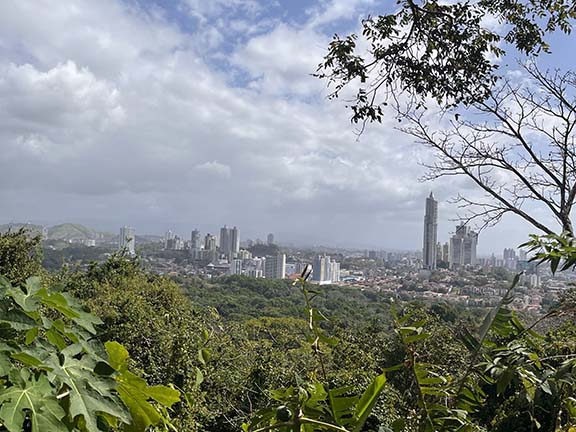
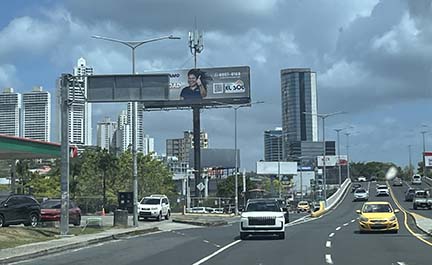
Panama City’s skyline is impressive.
Towering glass buildings stretch along the coastline, giving the city a visual blend of Miami, Chicago and Dubai. Some buildings even feature gold-tinted glass designed to reflect sunlight – a signature style seen in Middle Eastern cities.
Our hotel, the Renaissance Panama City Hotel in the El Cangrejo district, offered a comfortable base for exploring the city. While check-in was slower than expected, the staff were welcoming and helpful.
After a long day of travel, our group walked to a nearby restaurant for dinner. Communication with the staff required a mix of basic Spanish, limited English and plenty of pointing at menu items.
Still, hunger makes everything taste better.
A seafood rice dish paired with Panama’s local Balboa beer was enough to end the day on a good note.
The Panama Canal Experience
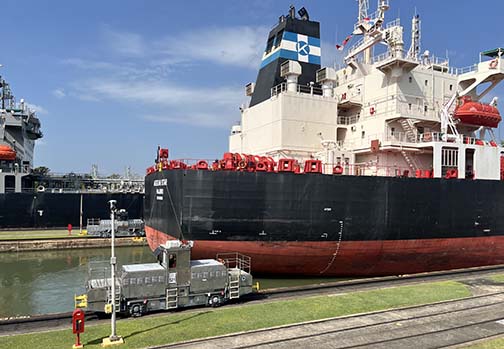
No visit to Panama would be complete without seeing the Panama Canal.
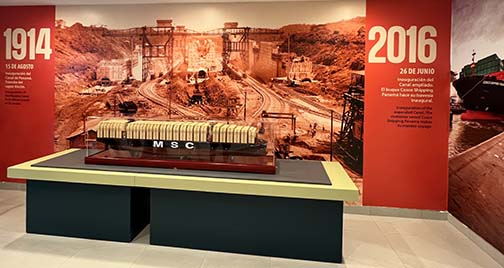
The Miraflores Visitor Center, about 20 minutes from the city, provides one of the best vantage points to watch ships pass through the famous locks. Tickets cost about $17.50 and include access to an IMAX documentary narrated by Morgan Freeman.
But the real attraction is the observation deck. Standing there watching a massive cargo ship slowly rise as the lock fills with water is an unforgettable moment. Tugboats guide the ships carefully into place as gates open and close, allowing vessels to move between ocean levels.
Seeing the engineering process up close is breathtaking – especially knowing that thousands of Caribbean laborers helped build the canal more than a century ago. Their sweat and sacrifice are part of this monumental achievement.
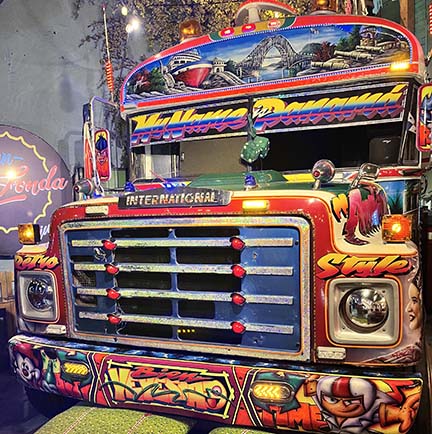
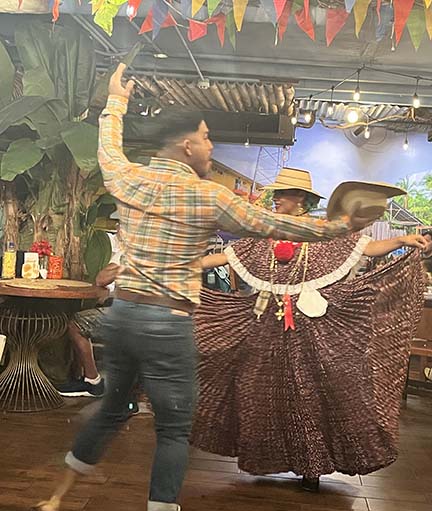
A cultural dining experience is En La Fonda based on its cultural shows and the local food on the menu. The energy here is amazing and Ms. Poulette, the restaurant’s owner is a phenomenal woman, assisted by her parrot. The décor is very cultural and historical and includes a carnival costume, a painted bus Infront where you can pose for pictures, a boat with a replica Jack Sparrow and hats and old cultural artifacts that as West Indians you identified with – including the old draws in the bathroom and the bleach bottle as a pipe head. We were enthused by the drinks including the Red Devil – a mixture of hibiscus or sorrel, a Caribbean heritage mix.
Exploring Indigenous Panama
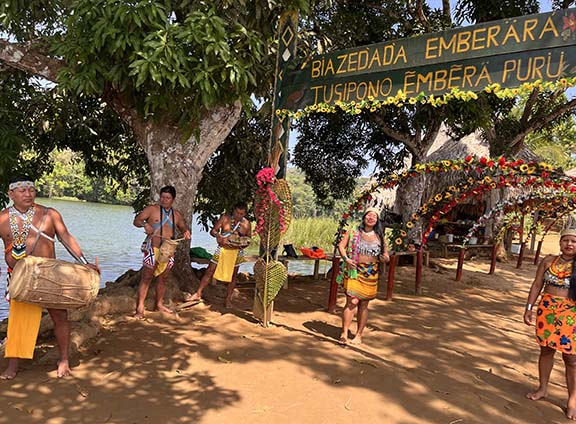
Another highlight of our trip was visiting an Emberá indigenous village located within the rainforest of Chagres National Park.
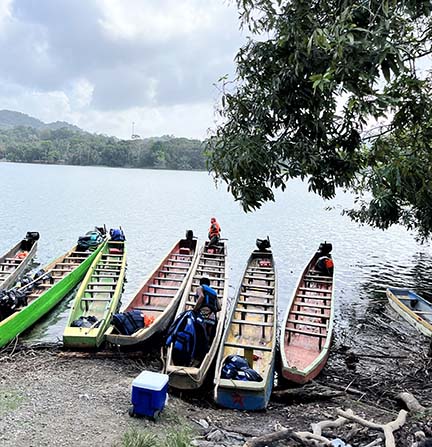
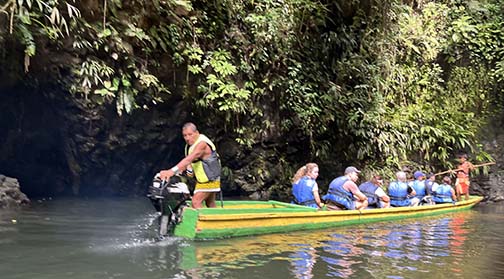
After a 40-minute drive from the city, visitors board motorized canoes that travel along the Chagres River deep into the rainforest.
The journey itself is stunning Towering jungle trees line the riverbanks while birds and wildlife occasionally appear overhead. The stillness of the rainforest contrasts sharply with the energy of Panama City.
At the village, we were welcomed with traditional drumming, dancing and music – one of the warmest greetings we experienced during the entire trip.
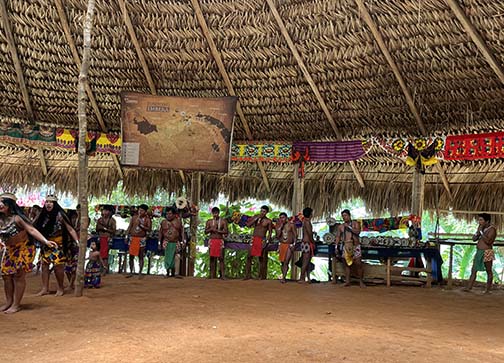
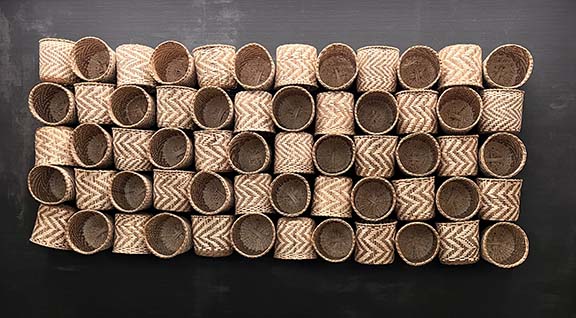
Local families sell handmade crafts to support their community, and visitors are served lunch wrapped in banana leaves.
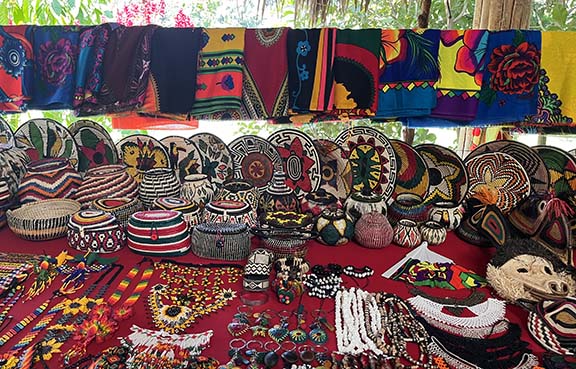
Our meal included freshly fried tilapia and crispy plantains, followed by freshly cut tropical fruits. It was one of the most memorable meals of the weekend.
Historic Casco Viejo
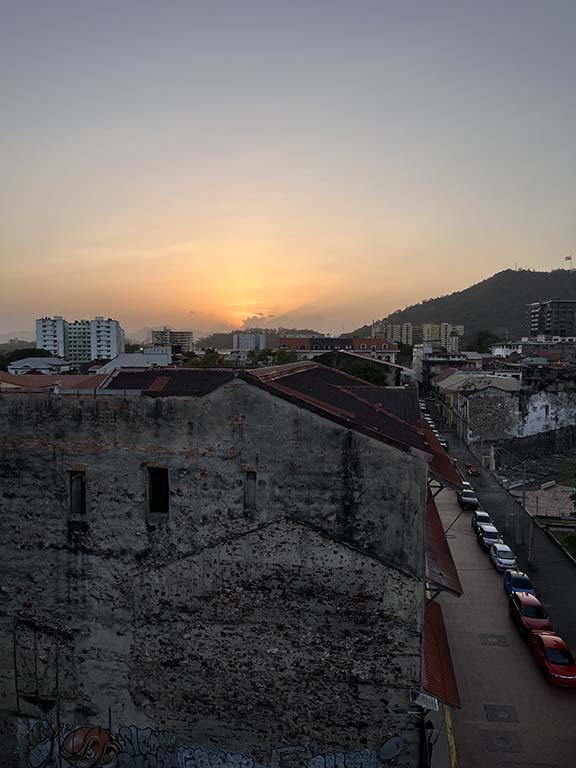
Back in the city, Panama’s historic district, Casco Antiguo, offers a completely different atmosphere. Cobblestone streets, colonial architecture, small shops and rooftop bars create a vibrant nightlife scene including at En La Fonda.
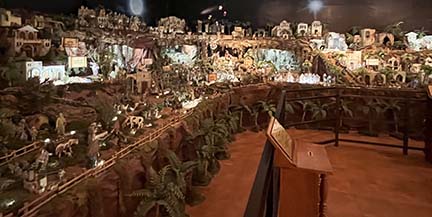
The Metropolitan Cathedral is a must-visit, and sunset views from rooftop restaurants are spectacular.
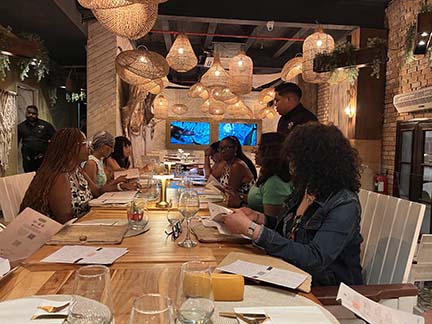
One of our best dining experiences came at Kobore, a Caribbean-inspired restaurant known for seafood dishes served in coconut sauces. The mahi-mahi with coconut rice was exceptional.
A Final Evening On The Amador Causeway
Our final day included a hike in the Metropolitan City Park and dinner took place along the Amador Causeway – a waterfront promenade built using material excavated during the construction of the Panama Canal.
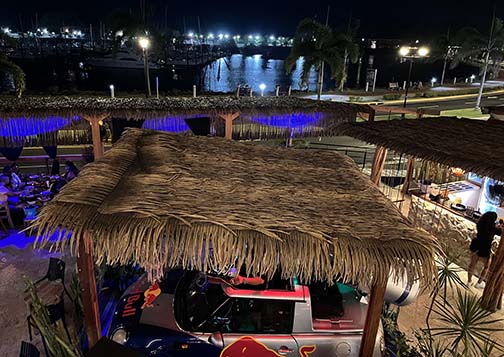
The area is lively, with restaurants, music and families enjoying the waterfront views. Dinner for me was prawns in coconut milk served with coconut rice and – naturally – another Balboa beer.
It was the perfect ending to the trip.
Final Thoughts
Panama offers an intriguing mix of modern city life, historic neighborhoods, rainforest adventure and rich cultural traditions. But travelers should also be prepared for language barriers, traffic and the occasional logistical hiccup.
Despite the challenges, the Panama Canal and the visit to the Emberá village made the journey worthwhile. Some places leave impressions that linger long after the trip ends.
For me, Panama’s canal and rainforest will always be among them.
EDITOR’S NOTE: Felicia J. Persaud is CEO of Invest Caribbean and AI Capital Exchange and founder of NewsAmericasNow.com.