



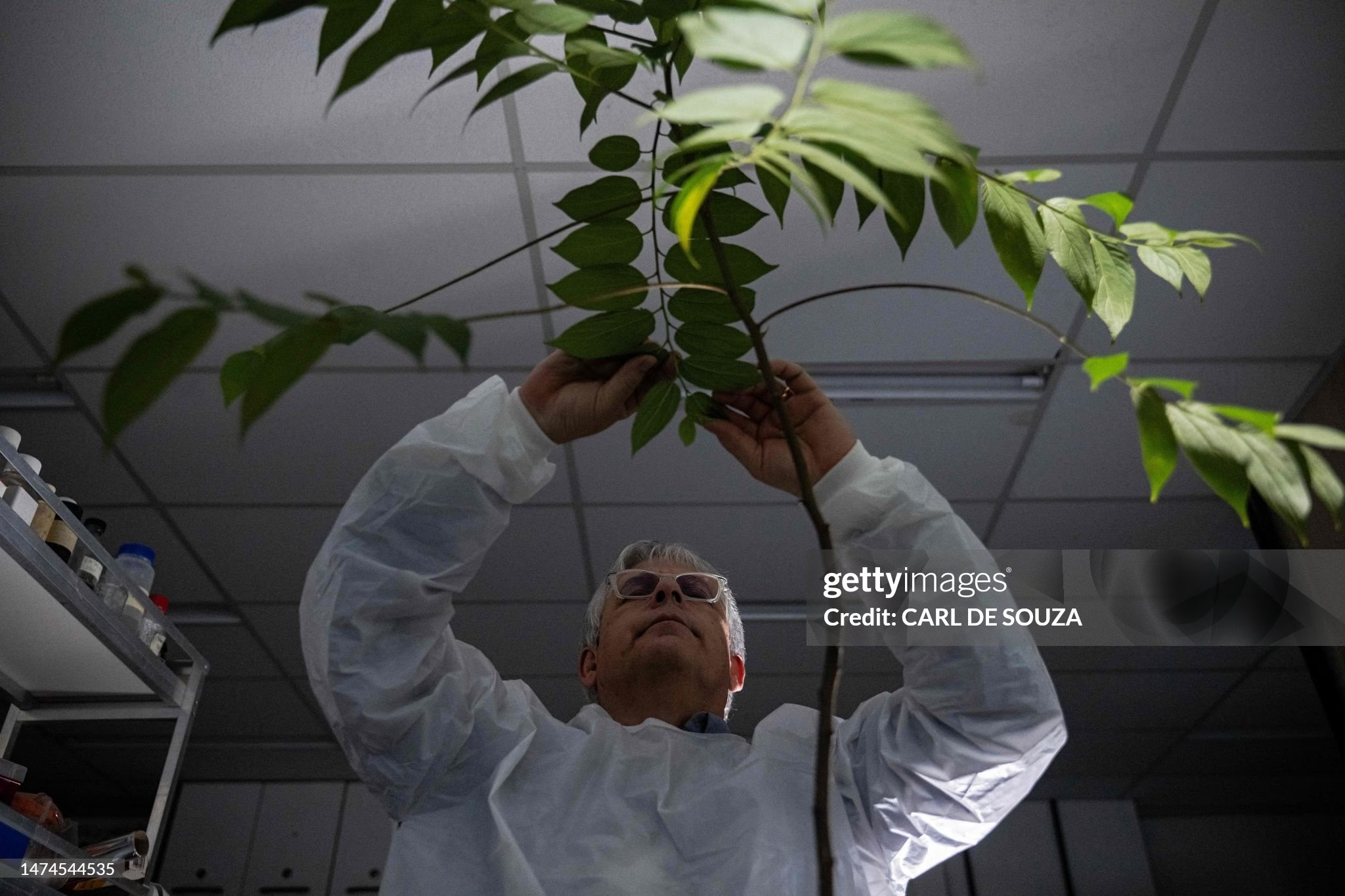
News Americas, NEW YORK, NY, Tues. July 22, 2025: In Brazil’s Atlantic forests, a nondescript shrub long dismissed as botanical background noise may hold the key to the next global CBD revolution—and a more equitable future in health and agriculture.
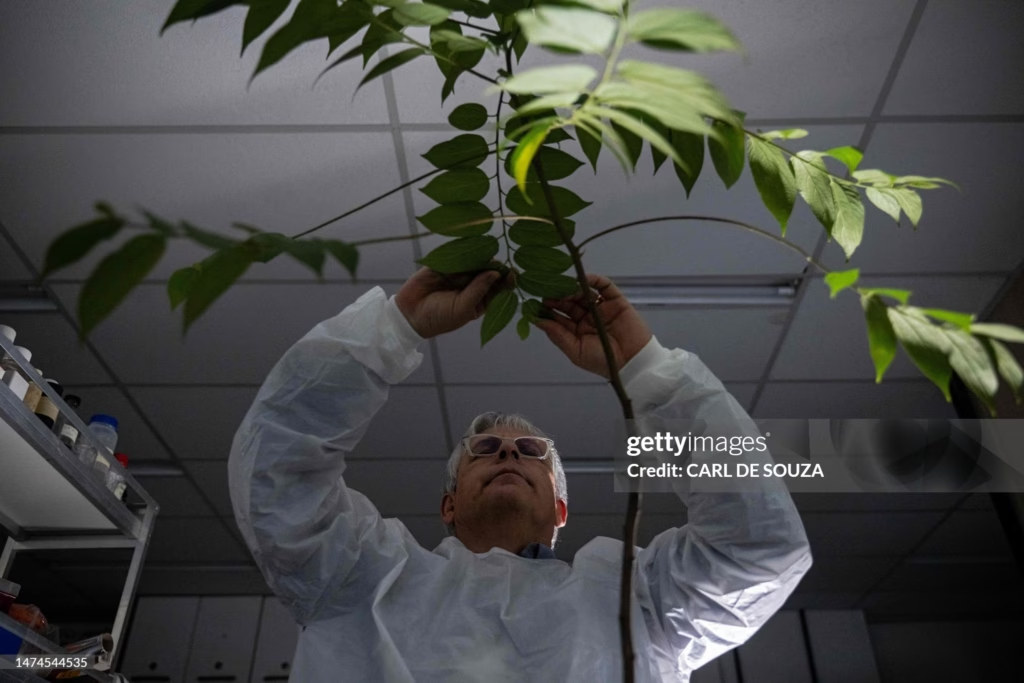
Scientists have confirmed that Trema micrantha, a fast-growing native plant, produces CBD without THC, the psychoactive compound that keeps cannabis tightly regulated worldwide. The implications stretch far beyond pharmacology: this could reshape how nations in the Global South enter and lead in the $47 billion cannabinoid economy – without relying on the Western-dominated hemp industry or overcoming steep legal hurdles tied to cannabis.
“This is more than just a scientific discovery. It’s a geopolitical moment,” says Dr. Rodrigo Moura Neto of the Federal University of Rio de Janeiro. “For countries like Brazil, it’s a chance to be producers, not just consumers.”
Unlike hemp, which requires licenses, fencing, and THC testing, Trema micrantha grows like a weed—literally. It’s unregulated, fast-reproducing, and capable of thriving in tropical climates where hemp struggles. The shrub also sidesteps cultural stigma and legal gray zones surrounding marijuana, offering a culturally neutral, legally clean pathway to CBD therapeutics.
As Brazilian researchers secure funding and navigate process patents, they’re openly inviting the scientific community to explore its potential—an unusual stance in a fiercely competitive pharmaceutical space. “Open science can level the playing field,” Moura Neto adds, “especially for Latin America and the Caribbean.”
The discovery also signals a shift toward bio-sovereignty, giving resource-rich but capital-starved nations a way to control their own medical supply chains, reduce import costs, and expand access to plant-based medicine for conditions like epilepsy and PTSD.
Still, challenges remain: cannabinoid yield per acre is lower than engineered hemp, and clinical trials will take years. Yet Trema micrantha stands as a vivid reminder: sometimes, the future of medicine grows unnoticed along the roadside—until science decides to look again.