




By Madelyn Herrera
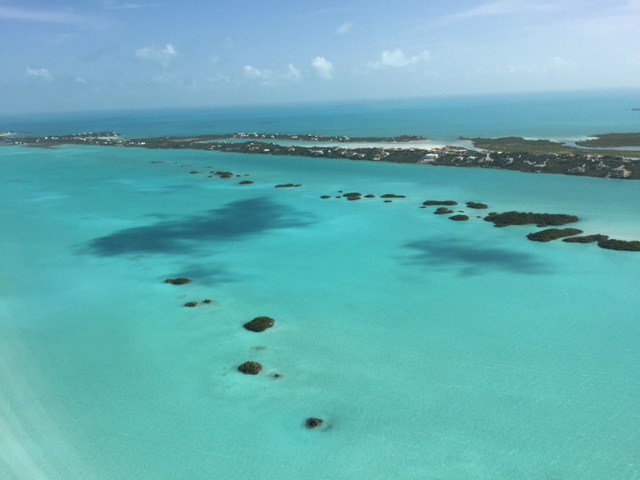
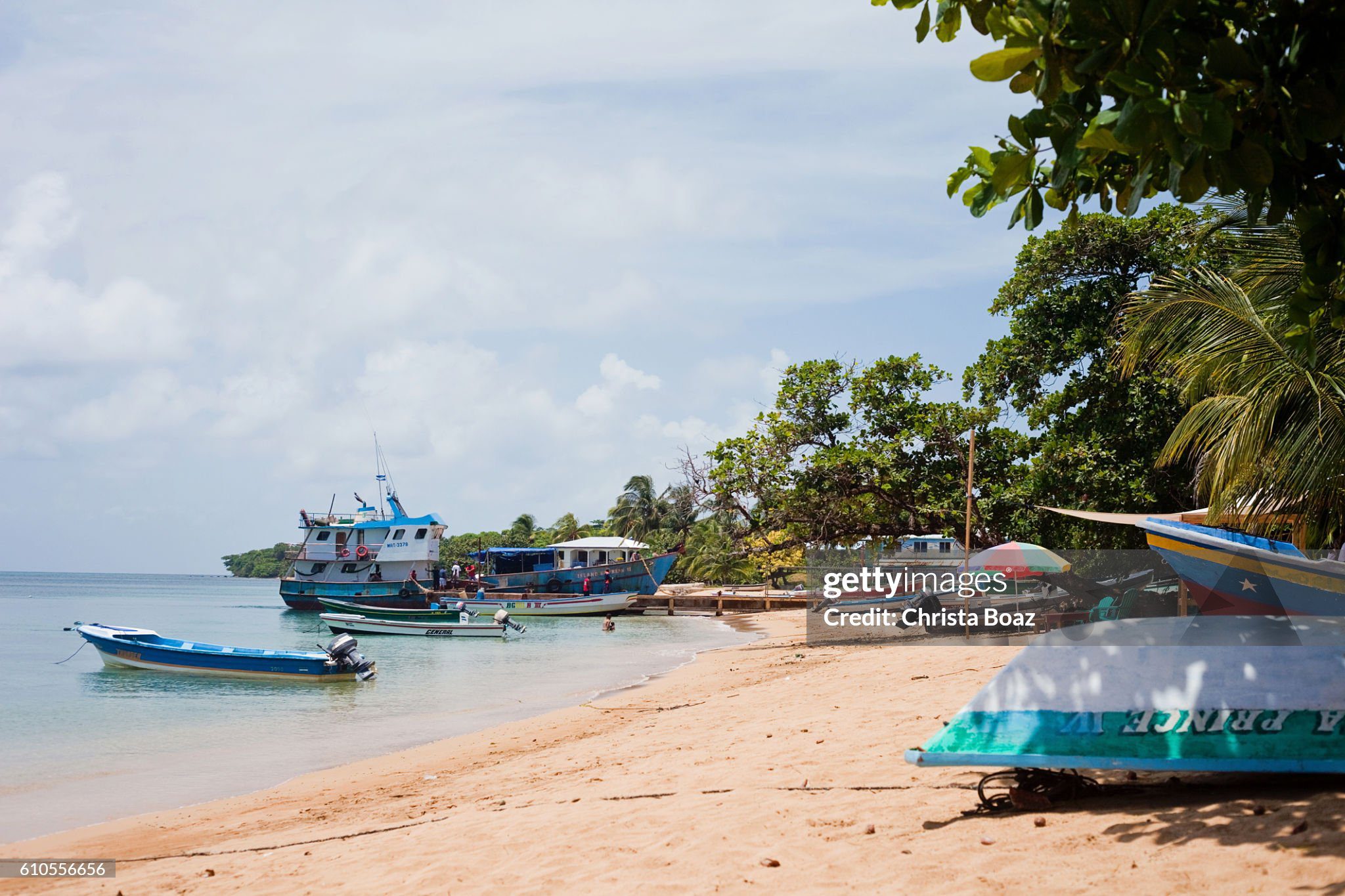
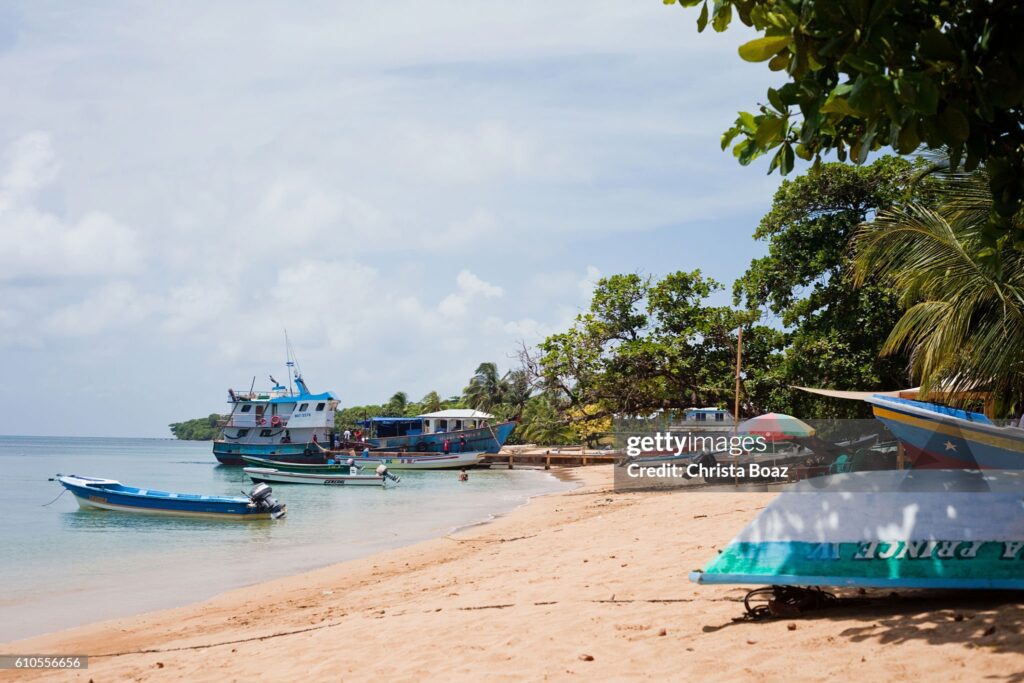
News Americas, NEW YORK, NY, Wed. Feb. 25, 2025: When people imagine the Caribbean, they rarely picture Nicaragua. Yet nearly 70 kilometers off its eastern coast, the Corn Islands feel culturally closer to Jamaica or the Cayman Islands than to the country’s Spanish-speaking mainland. With no cars, few paved roads, and a rhythm largely untouched by mass tourism, Little Corn Island remains one of the Caribbean’s least-known destinations.
History
That identity is rooted in a history that unfolded largely outside Spain’s reach. Although Indigenous groups, such as the Miskito people, inhabited Nicaragua’s Caribbean coast, the Corn Islands were sparsely populated prior to European contact. British interest in the area emerged in the 17th century, and by the 18th century, the islands had become part of Britain’s broader Mosquito Coast protectorate. Enslaved Africans were brought from Jamaica to work on plantations, establishing the Afro-Caribbean population that continues to define the islands today.
Language became one of the clearest markers of this legacy. English, and later Creole English, took root alongside Miskito and Spanish, creating a linguistic blend still heard in daily life. Like many islands across the Caribbean, Little Corn bears the visible remnants of plantation slavery; stone walls once used to separate plantations remain scattered across the island. Coconut, rather than cotton, served as the principal export crop, forming the backbone of the island’s colonial economy.
The Corn Islands’ political status remained contested well into the 19th century. In 1894, following the Treaty of Managua, Nicaragua formally gained sovereignty over the islands, thereby ending competing British, Colombian, and Costa Rican claims. Incorporation ushered in gradual improvements to infrastructure, including more consistent access to education and medical care. Economically, the islands continued to rely heavily on coconut production, particularly for export to the United States.
Corn Island Today
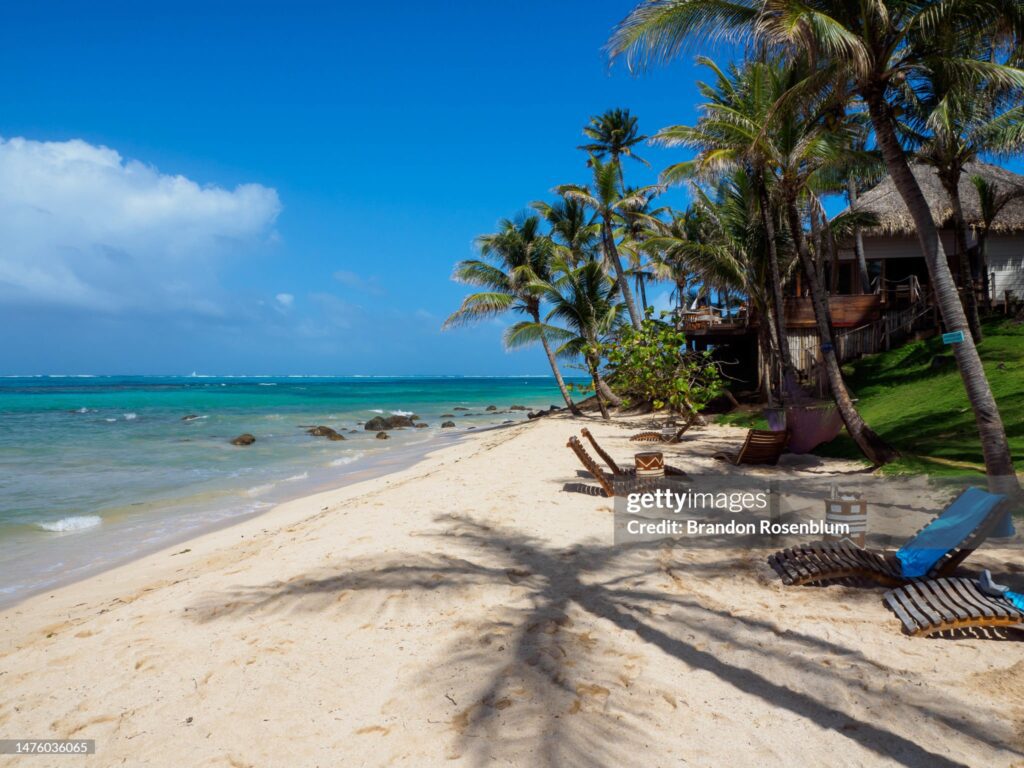
Today, the Corn Islands are most often encountered through the lens of tourism. In recent years, Little Corn Island has gained attention as an “untouched” Caribbean destination, known for its pristine beaches, lack of large-scale development, and relative isolation. While tourism has existed for decades, its growth has accelerated in recent years, reshaping how the island is marketed and experienced. Raising questions about how long its quiet, understated character can endure.
Things To Do
Despite its small size, Little Corn Island offers a range of low-impact activities centered around nature and daily island life.
Snorkeling and diving are among the most popular activities, with coral reefs located just offshore and waters known for visibility and marine life, including rays, reef sharks, and tropical fish. Several local dive shops operate year-round excursions.
Walking is the island’s primary mode of transportation, and a footpath circles the island in under two hours, passing beaches, rocky coastline, and small communities along the way. Visitors often hike to the north side of the island for sunset views or explore lesser-traveled eastern shores.
Fishing excursions with local boat captains provide another way to experience the surrounding waters, while boat trips to nearby reefs and neighboring Great Corn Island run regularly, depending on weather conditions.
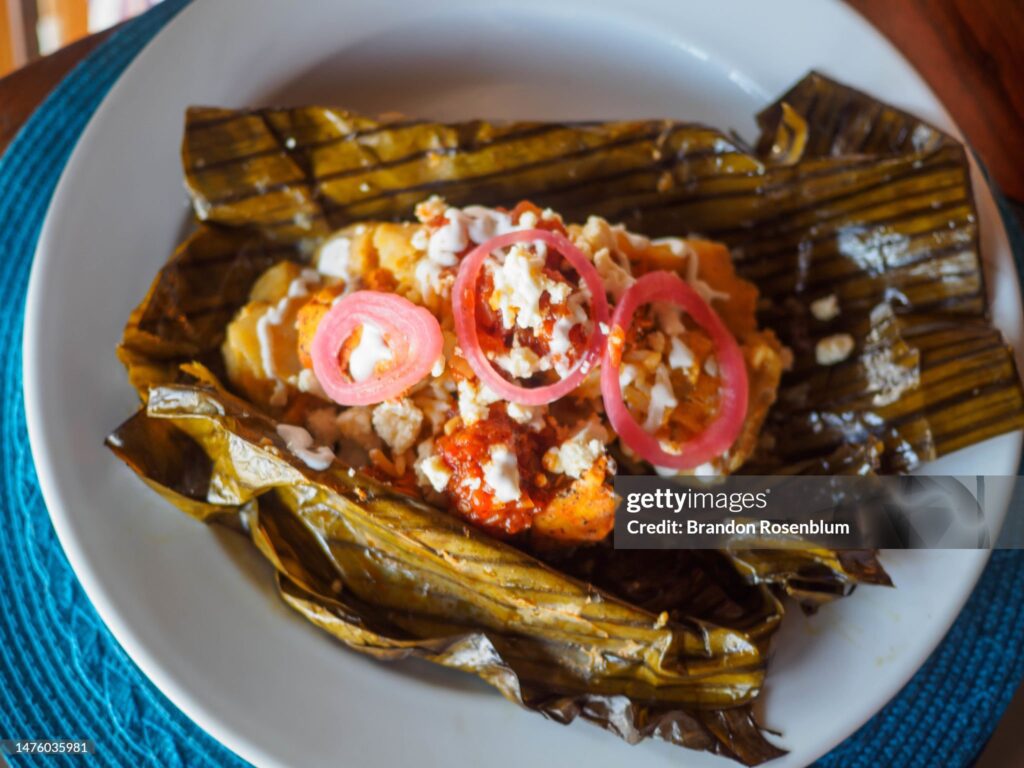
Daily life itself is part of the attraction. Small family-run restaurants serve fresh seafood and coconut bread, and evenings are often spent at beachfront cafés where gatherings replace nightlife crowds common in larger Caribbean destinations.
Getting There
Fly into Augusto C. Sandino International Airport (MGA) in Managua, Nicaragua’s primary international gateway, handling all international flights and cargo. From Managua, the round-trip ticket price to Corn Island on La Costeñaairline is about US$180. But effective October 1st 2025, luggage charges will apply to all fares, depending on what you are bringing, including checked, carry-on, and personal items. By Phone: Call La Costena’s reservations office in Managua airport at (505) 2298 5360. (011 505 2298 5360 from outside of Nicaragua). Text via WhatsApp: +505 7828 1234. Or log on to lacostena.com.ni.