



News Americas, NEW YORK, NY, Fri. Sept. 5, 2025: The Trump administration is at it again – this time targeting international students with a new immigration rule that could reshape how young people from around the world access U.S. education.
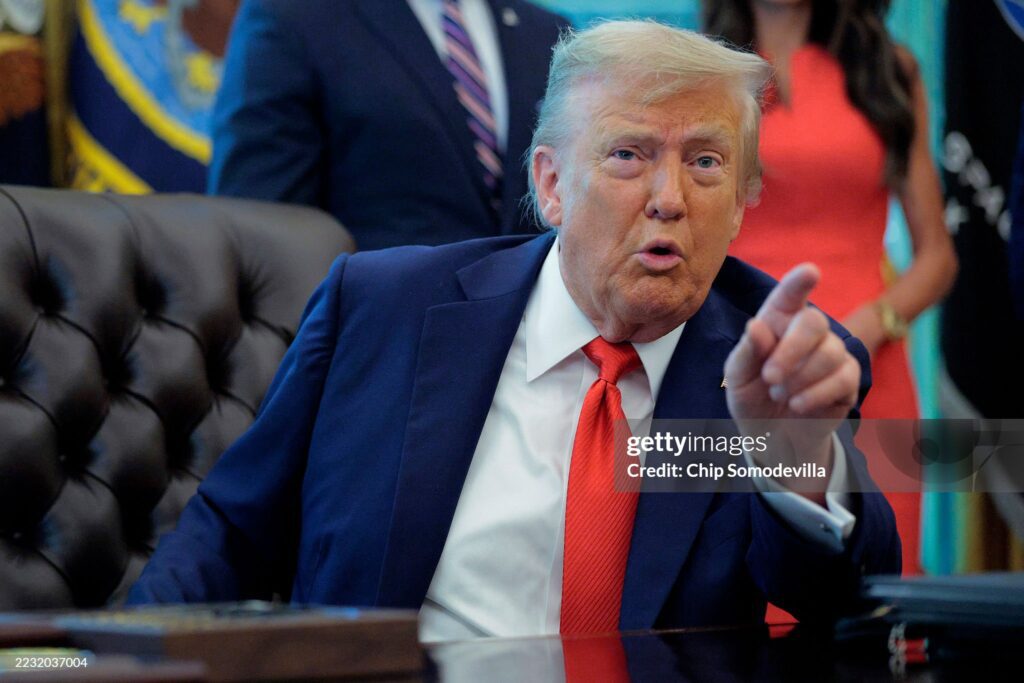
On August 28th, the Department of Homeland Security, (DHS) proposed ending the long-standing policy of “duration of status” for F-1 students and J-1 exchange visitors. Under current rules, students are allowed to remain in lawful status as long as they continue their academic program, even if that spans multiple years or transitions from undergraduate to graduate studies.
Trump’s new proposal replaces that with fixed four-year admission periods – with only narrow exceptions. Language students would be capped at 24 months. International journalists on I visas would also see limits. The change means that students working toward degrees that take longer than four years, such as Ph.D.s or professional programs, would be forced to apply for extensions – adding delays, bureaucracy, costs, and tremendous uncertainty to their studies.
Why This Matters
The move comes as international student enrollment in the U.S. is already plunging. July 2025 data showed nearly a 50% drop in new arrivals from India compared to last year. More and more students are instead choosing Canada, the U.K., and Australia, where immigration policies are more predictable and supportive.
For the U.S., the consequences are not just academic. International students contribute tens of billions of dollars annually to the U.S. economy, sustain jobs, and help keep universities competitive. For Caribbean and Latin American students in particular, this adds another layer of risk and uncertainty when choosing to invest in an American education.
OPT, STEM OPT, And Work Opportunities Under Fire
The rule also undermines Optional Practical Training, (OPT), and STEM OPT, the programs that allow students to gain work experience in the U.S. after graduation. Under the proposal, students would have to file extensions of their F-1 status just to access OPT – a move that immigration attorneys say will cause new costs and delays and serious disruptions.
And let’s not forget: Trump officials like Stephen Miller and USCIS Director Joseph Edlow have made clear they don’t want international students staying in the U.S. workforce after completing their studies. OPT may survive this round, but the signals are clear – they’re coming for it.
Sneaking In More Red Tape
Buried in the proposal is another provision: eliminating deference to prior USCIS findings. Translation? Even if your application was approved before, officers don’t have to honor that decision when you apply for an extension. Expect more Requests for Evidence, more denials, and more students and skilled workers pushed out.
Academic Freedom On The Line
Educators are sounding alarms. The Presidents’ Alliance on Higher Education and Immigration calls the proposal “unnecessary and counterproductive.” NAFSA warns that it hands immigration officials new powers over academic decisions, from course changes to program transfers – areas traditionally governed by schools, not Washington.
The Bigger Picture
The DHS, headed by is justifying the overhaul on “national security” grounds, citing a handful of questionable visa misuse cases. Yet, the data shows the problem is tiny – 2,100 people out of millions. Instead of targeted enforcement, Trump is choosing blanket restrictions that risk driving away the very students who fuel American innovation, growth and competitiveness.
Once again, immigrants are being scapegoated – this time students. And once again, it’s not just immigrants who lose. America itself will be poorer, weaker, and less innovative for it.
Felicia J. Persaud is the founder and publisher of NewsAmericasNow.com, the only daily newswire and digital platform dedicated exclusively to Caribbean Diaspora and Black immigrant news across the Americas.