

News Americas, NEW YORK, NY, Mon. Dec. 22, 2025: In a move heavy with symbolism amid heated U.S. immigration debates, Pope Leo XIV has appointed a Caribbean-born priest and outspoken migrant advocate to lead the Catholic diocese that includes Mar-a-Lago, the private estate of former U.S. President Donald Trump.
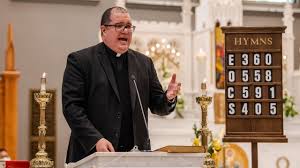
The Vatican announced Friday that the Rev. Manuel de Jesús Rodríguez, a native of the Dominican Republic and long-time pastor in New York City, has been named Bishop of Palm Beach, Florida. The diocese serves roughly 260,000 Catholics across 54 parishes and missions in one of the nation’s most politically charged regions.
Rodríguez, who has spent years leading a predominantly immigrant congregation in Queens, New York, has emerged as a prominent voice defending migrants as immigration enforcement intensifies nationwide. His appointment places a Caribbean immigrant cleric at the helm of a diocese located at the geographic and symbolic center of U.S. political power debates around migration.
A Bishop Shaped By Immigrant Experience
Born in the Dominican Republic and ordained in Santo Domingo in 2004, Rodríguez later moved to the United States, where he became pastor of Our Lady of Sorrows Church in the Corona neighborhood of Queens. The parish – the largest in the Diocese of Brooklyn – serves more than 17,000 congregants, most of them immigrants or children of immigrants.
During the height of the COVID-19 pandemic, more than 100 parishioners from his church died, deepening his pastoral focus on vulnerable communities facing economic, health, and legal precarity.
“I never, never, never expected anything even close to this,” Rodríguez said in an interview after the announcement. “I’m even a little bit scared. But I trust in God’s assistance.”
Immigration, Faith And Political Proximity
Rodríguez’s new diocese includes Mar-a-Lago, which Trump once described as the “Center of the Universe.” Trump’s immigration policies have drawn sustained criticism from Catholic leaders nationwide, including the U.S. Conference of Catholic Bishops, for sowing fear among migrant communities and restricting access to pastoral care.
Earlier this year, Rodríguez joined faith leaders warning that immigration crackdowns have left parishioners too afraid to attend Mass, seek medical care, or shop for food. Many immigrant families, he noted, have gone so far as to prepare legal guardianship plans for U.S.-born children in case parents are detained.
“When it comes to enforcing immigration laws, we shouldn’t be focusing on deporting 5-year-olds or people who have never committed any crime,” Rodríguez said. “We’re here to help. We believe we can do better than the way this is being done right now.”
Vatican Signal On Migration
Rodríguez’s appointment comes as Pope Leo XIV continues to emphasize migration as a moral and human rights issue central to the Church’s mission. While U.S. bishops remain divided on issues such as LGBTQ+ inclusion, they have shown rare unity in opposing mass deportations and the criminalization of migrants.
During their most recent general assembly, U.S. Catholic bishops issued a special message condemning the “vilification” of migrants and the fear immigration raids have instilled in communities. The Church also shuttered its longstanding refugee resettlement program after federal funding was halted.
Rodríguez said his stance aligns fully with Catholic teaching: nations may control borders, but human dignity must remain paramount.
“Migrants are not to be demonized,” he said. “They have contributed to the growth of the United States. They share core values, work hard for their families, and deserve to be treated with dignity.”
A Caribbean Voice At A Critical Crossroads
For Caribbean and immigrant communities, Rodríguez’s elevation represents more than a clerical appointment. It places lived migrant experience – shaped by faith, loss, labor, and resilience – into a leadership role at one of the most politically symbolic dioceses in America.
As debates over immigration, identity, and national belonging intensify, Pope Leo’s decision sends a clear message: the Church intends to keep migrant dignity at the center of its moral witness — even, and especially, in places where power and policy collide most visibly.