


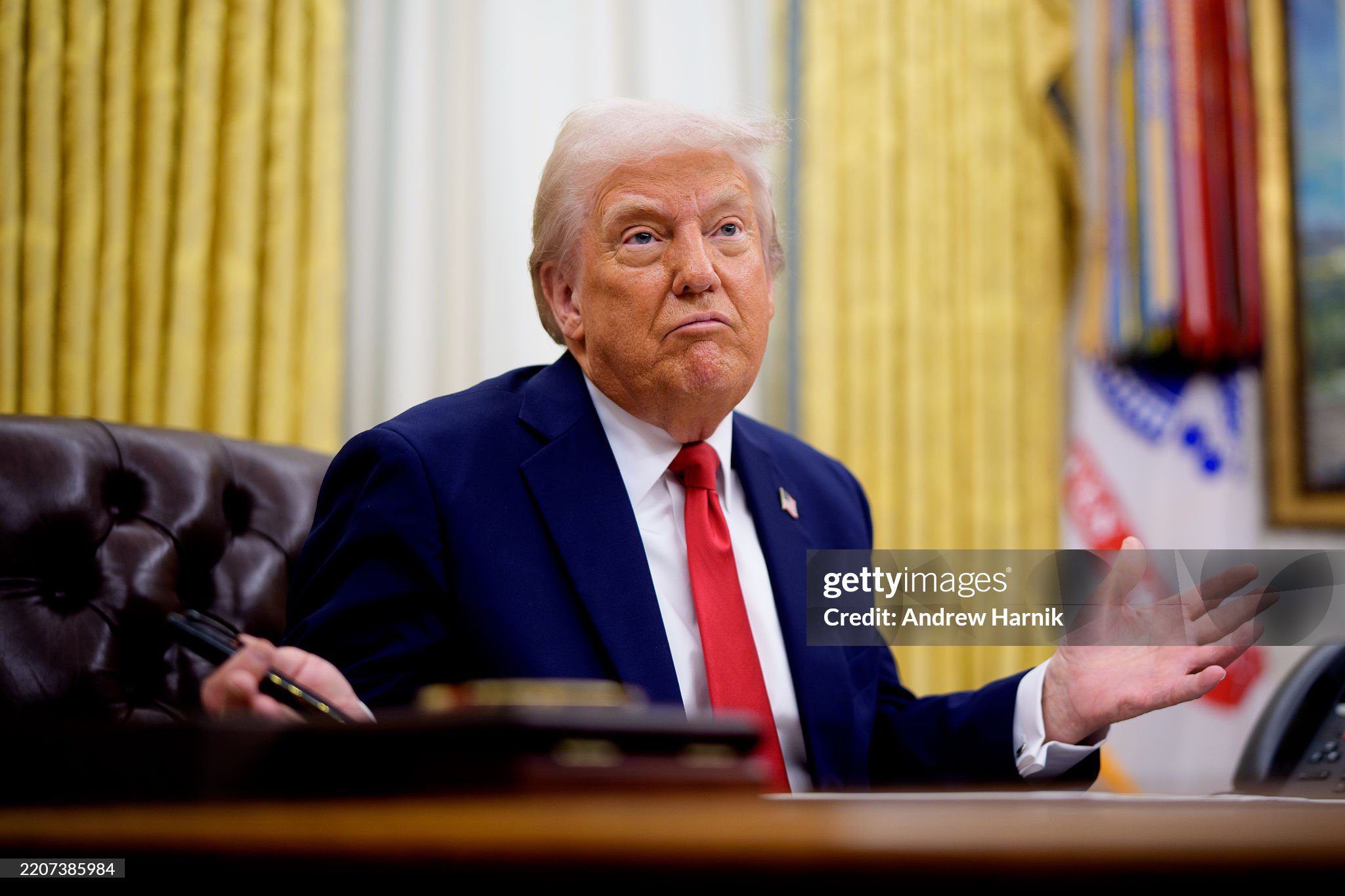
News Americas, NEW YORK, NY, Fri. Aug. 29, 2025: For Donald Trump, the U.S. visa has become less a travel document than a political weapon. From Grenada and Cuba to countries in Africa and Latin America, Washington is now wielding the visa not as a gateway of mobility but as a blunt instrument of punishment and control.
Last week, Grenada confirmed that its Finance Minister, Dennis Cornwall, had all his U.S. visas revoked – including his diplomatic A1 visa. Even Cornwall’s estranged wife lost her visas, underscoring how the Trump administration’s punishment can spill from politics into private lives. Washington’s justification? Grenada’s continued support for Cuba’s medical brigades, which the U.S. brands as “forced labor.”
The Cuban Brigade Pretext
For decades, Cuban doctors have staffed hospitals across the Caribbean, including Grenada. Cornwall, who studied in Cuba during the revolutionary 1980s, has been unapologetic about his solidarity with Havana. “I would rather lose my U.S. visa than abandon Cuba,” he told Parliament earlier this year.
That defiance has now come at a cost. Under Trump, the State Department – led in this effort by Cuban American Senator Marco Rubio – has rolled out new visa restriction policies not just for Grenadian officials but also for African leaders, immigration officers, and even their families if they are deemed complicit in “facilitating illegal immigration” or supporting Cuba’s medical program. Section 243(d) of the Immigration and Nationality Act is the legal cudgel being wielded.
A Familiar Pattern of Pressure
Grenada is hardly alone. Across Africa and Latin America, officials have faced similar sanctions for resisting U.S. deportation demands, for failing to “do more” to stop migration north, or for maintaining ties with Cuba. The message is unmistakable: America’s visa, once seen as a coveted privilege, is now a political leash. The U.S. State Department also ordered visa revocations for Brazilian judicial officials and their immediate family members due to a perceived “political witch-hunt” against former President Jair Bolsonaro.
Those who resist Washington’s geopolitical priorities suddenly find themselves grounded, unable to travel, and publicly shamed. In some cases, even family members with no political role are swept up, collateral damage in a policy that confuses intimidation with diplomacy.
The Hypocrisy Exposed
What makes the Grenada case especially glaring is the hypocrisy. The U.S. invokes “human rights” while punishing small, poor countries that depend on foreign-trained doctors to keep their health systems afloat. Stripping visas from officials – and even their relatives – is not a policy of principle. It is coercion dressed in the language of freedom.
A Dilemma for Small States
For small nations like Grenada, this weaponization of visas poses a painful choice: toe the U.S. line or risk punishment. Cornwall made his choice clear. Some leaders, he signaled, will not trade sovereignty or solidarity for the ability to shop in Miami or vacation in Orlando.
The Trump administration’s gamble is that fear of visa revocation will keep governments in check. But the more Washington uses visas as a blunt weapon, the more it exposes the fragility – and the hypocrisy – of its Big Stick foreign policy.
Visas should not be reduced to cudgels of intimidation. Yet under Trump, they increasingly are. And for Grenada, for Africa, and for Latin America, the message is clear: America’s “big stick” diplomacy didn’t die with Roosevelt. It just got a new stamp: visa revoked!
Felicia J. Persaud is the founder and publisher of NewsAmericasNow.com, the only daily newswire and digital platform dedicated exclusively to Caribbean Diaspora and Black immigrant news across the Americas.