






By Dr. Isaac Newton
News Americas, NEW YORK, NY, Mon. Oct. 13, 2025: The Middle East has been a place of ambition, faith, and conflict for over a century. Israel and Palestine have lived through generations of wars, uprisings, and displacement. From the collapse of the Ottoman Empire to the creation of Israel in 1948, the region has faced repeated cycles of violence and retaliation. These conflicts have not only affected those who live there but have challenged the world to act with justice, protect sovereignty, and honor the dignity of every human life.

The Oct. 7, 2023 attacks by Hamas and Israel’s military response have caused new suffering. Civilians paid the heaviest price, with families losing loved ones, homes, and essential services. Repeated cycles of violence weaken international rules meant to protect the most vulnerable, while competing national interests make peace harder to achieve. The world must act carefully to prevent these fragile moments from slipping into deeper conflict.
As all living hostages were released today and many Palestinians taken prisoners by Israel, returned to Gaza, the question turns to Palestine’s future. It is complicated. While major questions remain about the future of Hamas and Gaza, the exchange of hostages and prisoners raised hopes for ending the deadliest war ever between Israel and the militant group. The ceasefire deal calls for a surge of humanitarian aid into Gaza, parts of which are experiencing famine.
Regional and global powers often pursue their own interests, delaying progress toward a lasting solution. Yet the need is urgent: an independent, sovereign Palestine living peacefully alongside Israel is essential for real stability. Leaders in the Caribbean, Africa, and Latin America have long supported this two-state vision. Our region knows how to balance the pursuit of national independence with respect for international law and shared human values. These lessons can guide the world today.
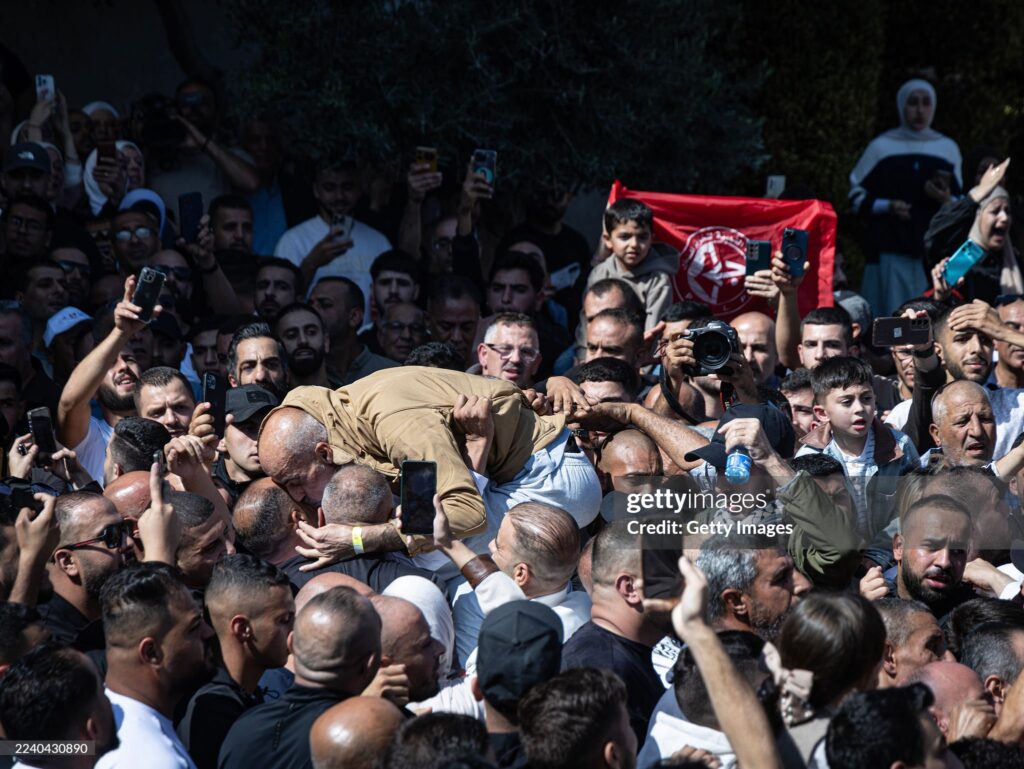
Peace is more than diplomacy or temporary ceasefires. It requires courage, imagination, and action grounded in fairness. Humanitarian aid must reach those who need it most. Hostages and detainees must be freed. Essential services must be restored. Political engagement must go beyond words to concrete steps that respect the rights of both peoples. Just as the Caribbean emerged from colonial rule to claim dignity and self-governance, the Middle East can achieve lasting peace by embracing justice, transparency, and the shared values that connect humanity.
Peace is possible if nations and communities act with courage and conviction. The Caribbean region, grounded in justice, solidarity, and human dignity, stands ready to support efforts for reconciliation, coexistence, and development. The two-state vision is more than politics; it is a moral guide calling us to restore dignity, nurture empathy, and build a future where all can live in safety and hope. The ease for peace lies in our willingness to act rightly, guided by faith, reason, and the sacred value of every life.