



By Felicia J. Persaud
News Americas, NEW YORK, NY, Fri. Jan. 9, 2026: As 2026 gets underway, immigrants and travelers alike are being reminded of a familiar truth in America: access now comes with a higher price tag and they will have to shell out more in immigration fees this year.
Effective January 1st, the U.S. government quietly increased several immigration-related fees, citing inflation. On paper, the hikes appear modest – a few dollars here, a few dollars there. In practice, they add up for families already navigating an increasingly hostile, complex, and expensive immigration system.
According to a Federal Register notice, the Department of Homeland Security has adjusted certain H.R. 1 immigration fees for fiscal year 2026 to reflect inflation from July 2024 through July 2025. Anyone submitting applications postmarked on or after January 1st must now pay the higher rates.
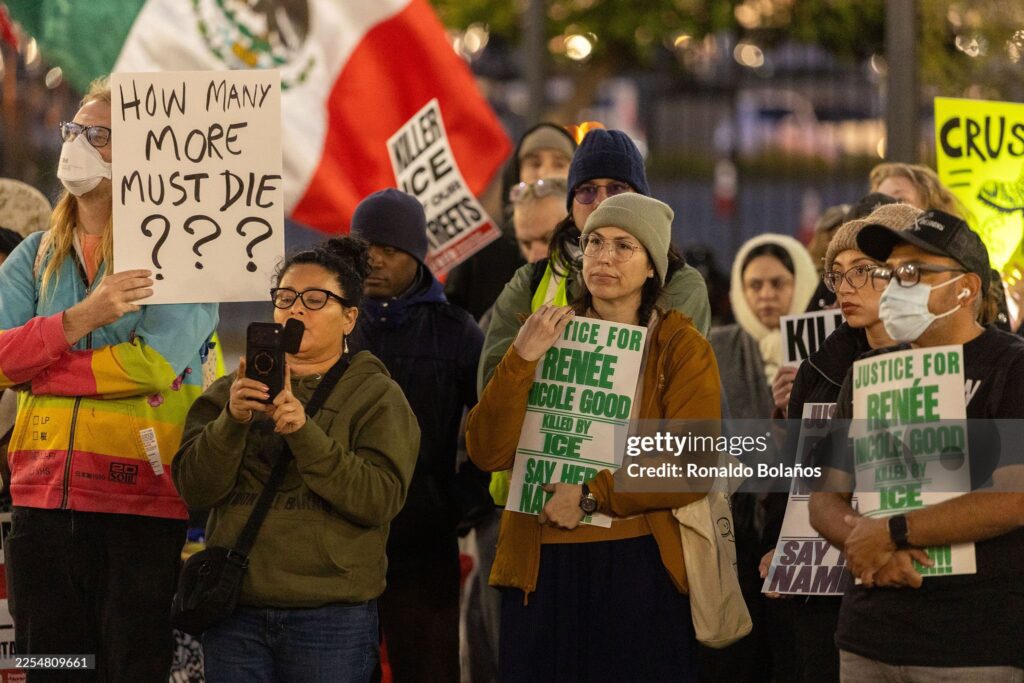
Among the increases: the annual asylum application fee rises from $100 to $102. Initial employment authorization documents for asylum applicants, parolees, and Temporary Protected Status holders increase from $550 to $560. Renewal or extension fees for parole and TPS work permits go from $275 to $280. Applications for Temporary Protected Status has risen from $500 to $510.
While some fees – including the initial asylum filing fee and certain renewals – remain unchanged for now, DHS has made clear that inflationary adjustments will continue annually.
For many immigrants, especially asylum seekers and TPS holders, these increases land at a time when work authorization delays, enforcement pressure, and legal uncertainty are already pushing families to the edge. Ten dollars may not sound like much in Washington. For households juggling rent, food, legal fees, and remittances, it matters.
And the costs don’t stop there.
Beginning February 1, 2026, travelers who arrive at airport security checkpoints without an acceptable form of identification – including a REAL ID-compliant driver’s license – will be offered a new option: pay $45 to fly.
Under a new Transportation Security Administration program called ConfirmID, passengers without proper ID can pay a $45 fee for a temporary identity verification process that allows them to proceed through security. The payment covers a 10-day window and can be used for multiple flights during that period.
TSA officials describe the program as a “last resort,” urging travelers to secure REAL ID-compliant documents in advance. But for immigrants, seniors, low-income travelers, and those stuck in DMV backlogs, “last resort” may quickly become routine.
The ConfirmID process may involve additional screening and longer wait times, and while TSA says more than 94% of travelers already present acceptable identification, the remaining six percent will now face a financial barrier on top of inconvenience.
The policy shift reflects a broader philosophy taking hold across federal agencies: the cost of heightened screening and enforcement should be borne by individuals, not the government.
REAL ID enforcement, signed into law decades ago but delayed repeatedly, fully took effect in May 2025. Now, the message is clear – comply, pay, or don’t travel.
Taken together, the immigration fee increases and the new TSA identity charge points to a deeper reality. Mobility, work authorization, safety, and legal status are being steadily monetized. For immigrants in particular, compliance is no longer just bureaucratic – it is financial.
DHS insists these measures improve security and efficiency. But for the communities most affected, they feel like yet another layer of deterrence – one more way to make life harder, movement costlier, and belonging conditional.
As we move deeper into 2026, immigrants and travelers would be wise to plan ahead: file early, double-check documents, budget for higher fees, and expect less flexibility from systems that increasingly treat access as a privilege you pay for.
In today’s America, freedom of movement – whether across borders or through an airport checkpoint – comes with a receipt.
Felicia J. Persaud is the founder and publisher of NewsAmericasNow.com, the only daily syndicated newswire and digital platform dedicated exclusively to Caribbean Diaspora and Black immigrant news across the Americas.
RELATED: TSA To Introduce $45 Identity Verification Option For Travelers Without REAL ID Next Month
New DHS Travel Rules Expand Biometric Monitoring and Heightened Scrutiny For Green-Card Holders
Follow Caribbean diaspora news at NewsAmericasNow.com