





By NAN ET EDITOR
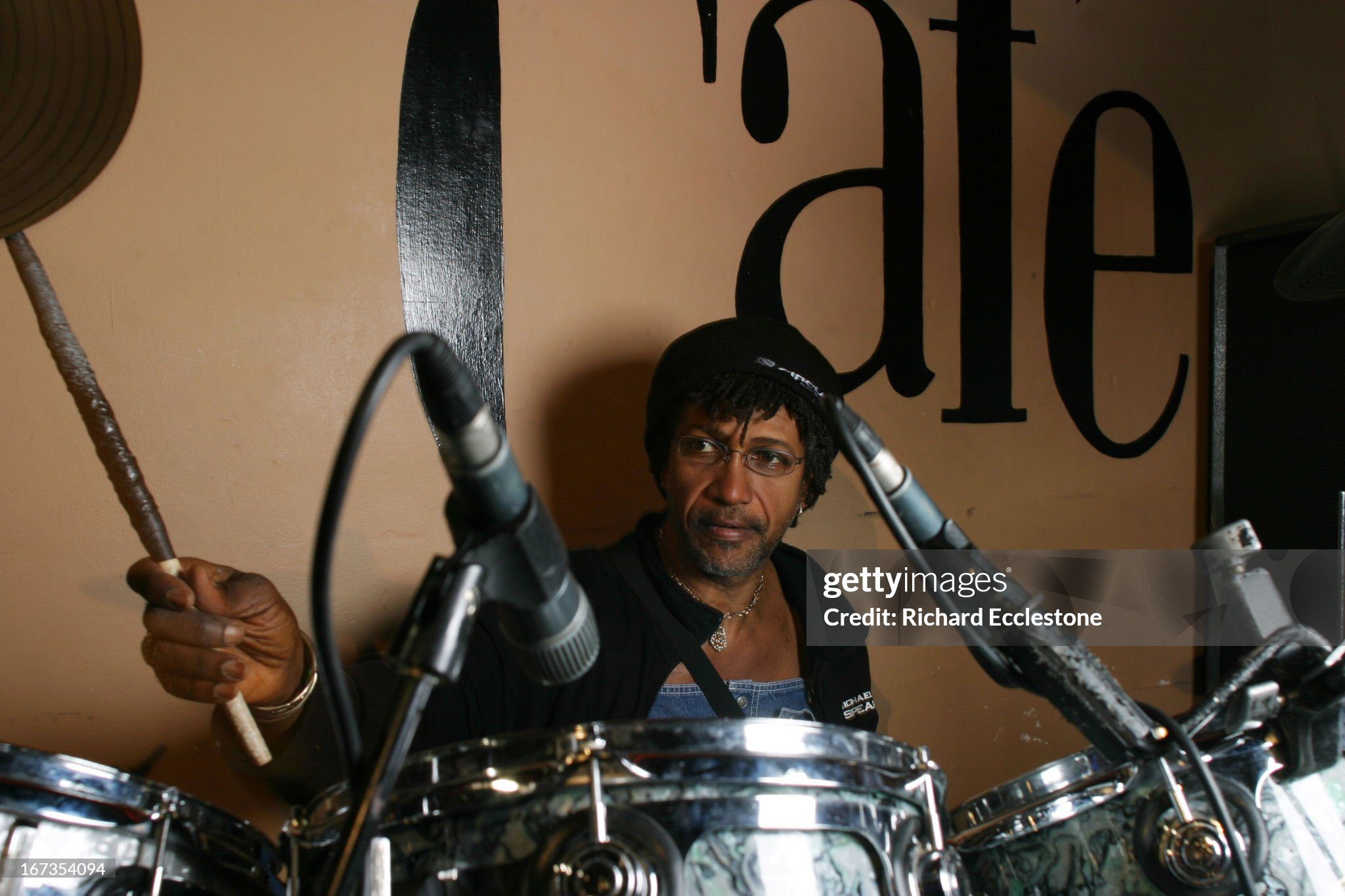
News Americas, KINGSTON, Jamaica, Jan. 26, 2026: You may not know his face. You may not even know his name. But if you’ve listened to reggae, dancehall, hip-hop, pop, or rock over the last half-century, you have almost certainly heard his drums.
Lowell Fillmore “Sly” Dunbar, the legendary Jamaican drummer and one-half of the groundbreaking rhythm duo Sly and Robbie, has died at the age of 73. His wife, Thelma Dunbar, confirmed his passing after finding him unresponsive at their home early Monday morning, January 26th. His death marks the loss of one of the most influential musicians Jamaica ever produced and comes on the heels of the passing recently of Third World co-founder, Cat Coore.
Born on May 10, 1952, in Kingston, Dunbar began drumming as a teenager, quickly earning a reputation for precision, versatility, and innovation. By age 15, he was already performing professionally, first with The Yardbrooms and later with the Ansell Collins–led band Skin, Flesh & Bones. His earliest recordings came through collaborations with Dave and Ansell Collins, laying the foundation for a career that would reshape global music.
Dunbar’s life changed in 1972 when he met bassist Robbie Shakespeare. Their partnership became one of the most prolific and influential rhythm sections in modern music. Together, they formed the duo Sly & Robbie, often referred to as the “Riddim Twins,” whose sound would define reggae and dancehall while crossing seamlessly into rock, pop, and hip-hop.

Working closely with producer Bunny Lee and the Aggrovators, Sly and Robbie helped drive Jamaica’s golden era of roots reggae before pushing the genre forward with digital rhythms and experimental production in the late 1970s and 1980s. Their influence reached far beyond the Caribbean. The duo recorded and performed with artists including Peter Tosh, Grace Jones, Bob Dylan, Mick Jagger, and countless others.
In 1980, the pair launched Taxi Records, a label that became a powerhouse of Jamaican music. Taxi Records introduced and elevated artists such as Black Uhuru, Ini Kamoze, Beenie Man, Red Dragon, and Chaka Demus and Pliers, shaping the sound of dancehall for a new generation while keeping reggae globally relevant.
Dunbar’s drumming style was unmistakable – crisp, inventive, and deeply musical. He blended traditional Caribbean rhythms with funk, rock, and electronic influences, creating grooves that were both complex and accessible. His credits spanned from Junior Murvin’s Police and Thieves to Bob Marley’s Punky Reggae Party, as well as Bob Dylan’s albums Infidels and Empire Burlesque. Few drummers in history have left fingerprints across so many genres.
His longtime musical partner Robbie Shakespeare passed away in December 2021, making Dunbar’s death especially poignant for fans who saw the duo as inseparable. Together, they redefined what a rhythm section could be — not just backing musicians, but architects of sound.
Dunbar’s contributions did not go unrecognized. He was awarded Jamaica’s Order of Distinction and received the Musgrave Gold Medal in 2015 for his outstanding service to music. He also received a Lifetime Achievement Award from the University of Minnesota in May 2025, further underscoring the global reach of his work. Dunbar was set to be honored at Reggae Genealogy on Feb. 7th in Fort Lauderdale.
The Jamaican entertainment industry is again in mourning, following the loss of yet another cultural giant. But Sly Dunbar’s death does not silence his legacy. His rhythms live on in the music that still fills dance floors, radio stations, films, and playlists around the world.
You may not have known his name before today. But you’ve likely heard his drums your whole life — and you always will.
LISTEN TO HIS EHYTHMS HERE